
Nurdle Plastic Pellet Pollution Hits North East Coast of Britain - A Reflection
Julia Chalkley reflects on her experience of largest plastic pollution incident in Northern Europe, near her home in Tyneside, and ongoing issues and questions such an event raises.
On Sunday 19th July two ships collided in the Port of Tyne triggering the largest plastic pollution incident in Northern Europe. 17 tons of nurdles (small plastic pellets used to manufacture most plastic products) spilled into the river.
Almost one billion nurdles are believed to have been released into the water, heading for Tyneside beaches, posing a devastating threat to sea birds and fish who mistake them for food. When ingested they can cause malnutrition, starvation and chemical contamination. They can also be carried considerable distances by currents, tides and wind and damage vital marine coastal and intertidal habitats where they become mixed with sand, stones and seaweed, settle into beaches or fragment over time into even smaller pieces of microplastic.
I found the immediate response locally very moving. Everyone rallied for days with everything from industrial vacuums to kitchen sieves and dustpans and brushes. Whole families, including ours, spent evenings sitting around heaps of seaweed, picking the nurdles out one by one. My step-daughter went down to the shoreline when she returned from her night shift at the RVI and her husband went before going to work. A call went out for a fabric supplier to provide mesh and local sewers made filter bags from it; DIY stores sold out of brooms…
Lobbying of Council and Environment Agency Offices with samples of Tynemouth nurdles began within days and locals rapidly mobilized, building community-led resources like Nurdle Hub NE and coordinating via local groups and the Tyne River Trust to clean affected beaches. Collection points were set up to weigh, record then safely store the nurdles.
The Regional Mayors Office has said ‘’we are talking to International Tanker Operations Pollution Federation about a scheme to compensate local people for the money they spend…keep any receipts.’’ Tynemouth Ward Councilor Tom Bailey responded to this with the request: ‘No gold-plated dustpans or Gucci Wellies’’…
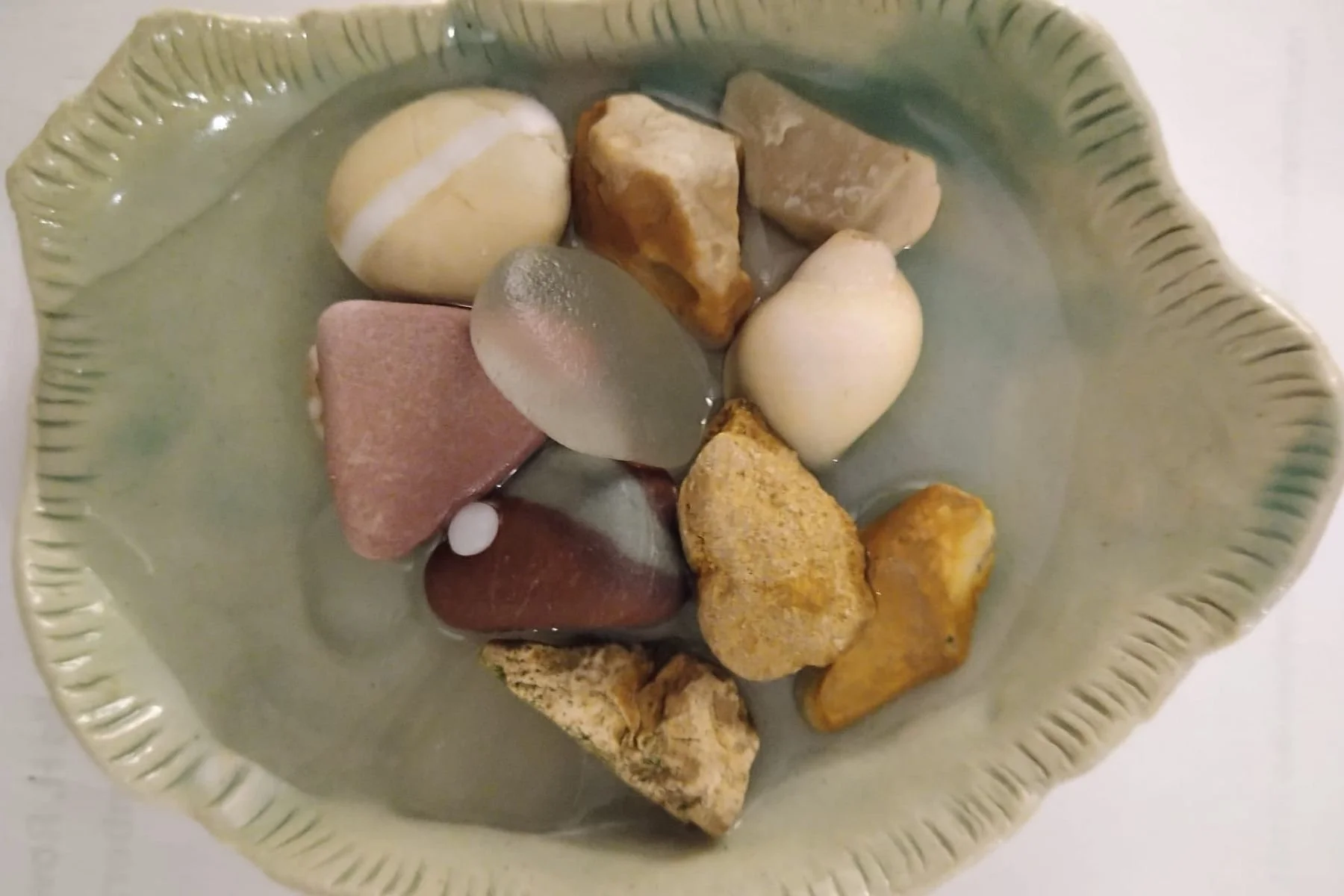
On the 16th August, four weeks after the spill I was in Newbiggin-by-the-Sea, 27 miles north of the Tyne where I found a scattering of nurdles. Searching among the rocks brought home the unique beauty of each and every pebble turned over, also each piece of polished, translucent sea glass. Nurdles will remain hard, bright white and uniform forever, I fear.
As of 8 September 2026, the ongoing response to the Port of Tyne plastic pellet disaster has shifted into legal, legislative, and global citizen science phases. The spill’s impact now spans over 80 miles of UK coastline, with nurdles confirmed to have travelled as far south as North Yorkshire.
Here are the latest key updates:
Parliament Debate Confirmed & “Polluter Pays” Stance
Impending Commons Debate: South Shields MP Emma Lewell confirmed that Parliament will soon hold a dedicated debate on the Tyne nurdle spill.
Investigation Phase: Defra (Department for Environment, Food and Rural Affairs) stated that the UK government is actively reviewing the incident. They are closely monitoring findings from the Marine Accident Investigation Branch (MAIB).
Financial Accountability: Defra reaffirmed that the “Polluter Pays” principle strictly applies to this incident, placing the ultimate liability for long-term clean-up costs on the owners of the vessels involved (BG Orange and Wind Orca).
Industry Calls for Global Regulation
Port CEO Demands Reform: In an unexpected move, Port of Tyne Chief Executive Matt Beeton publicly joined calls for strict statutory regulations on the transit of plastic pellets.
IMO Classification Push: Activists and port authorities are together urging the UN’s International Maritime Organization (IMO) to reclassify nurdles as toxic/hazardous marine pollutants. Currently, they are classified as non-toxic cargo, which means vessels face fewer strict transit, packing, and safety protocols despite the devastating ecological damage they cause when spilled.
Local Council & Citizen Science Mobilisation
Council Sweeps Ongoing: Local bodies like the North East Mayoral Strategic Authority and county councils are continuing weekend maintenance sweeps on high-risk beaches to monitor and collect recurring tideline deposits.
The Great Global Nurdle Hunt Underway: Because community tracking data shows the pellets are still highly active across regional shores, local hubs are funnelling data directly into the Great Global Nurdle Hunt 2026, which launched on 4 September. Organisers are using the surge of data from the North East to provide concrete evidence to the press and government to secure long-term ecological monitoring funds.
Collaborate With Us
We're always open to new ideas and creative partnerships that bring multiple perspectives into focus in the service of Earth Justice. Please get in touch.
Explore Our Projects
Explore our evolving archive of multi-disciplinary, collaborative projects. We value art, poetry, science, faith, history, community engagement and more, and the creative spaces that open up between them.