
Aftermath
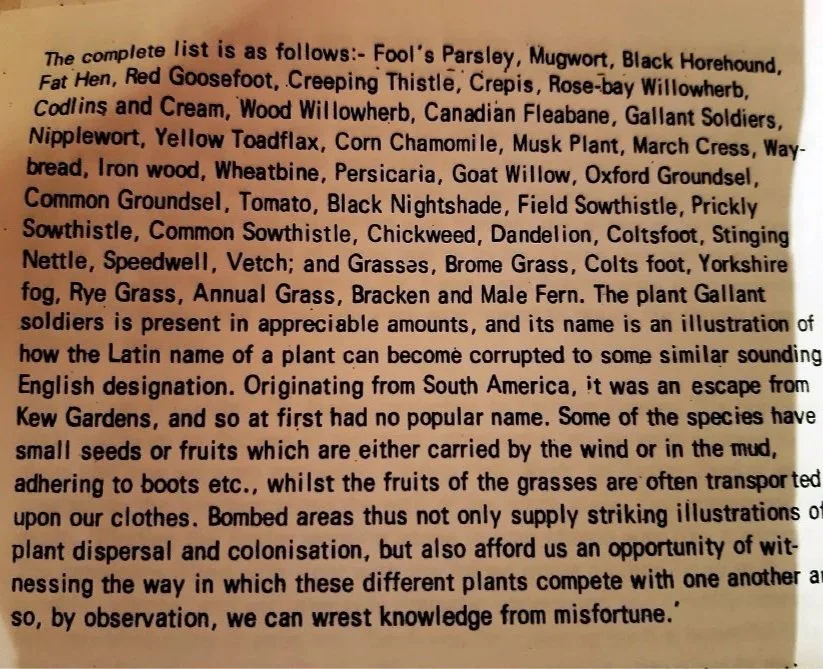
This project begins with the chance discovery of a list of 42 plants in St James’s archive in the early 2020s. In the partially destroyed church site, bombed during the second world war, these 42 'weeds' quietly arrived and thrived, first witnesses to renewal.
As scholars, scientists and poets alike remind us, weeds become interpreters of futures not yet written. From wartime rubble to the stillness of a global pandemic, these pioneer plants offer us a new language for regeneration and resilience.
St James’s in the Shadow of War
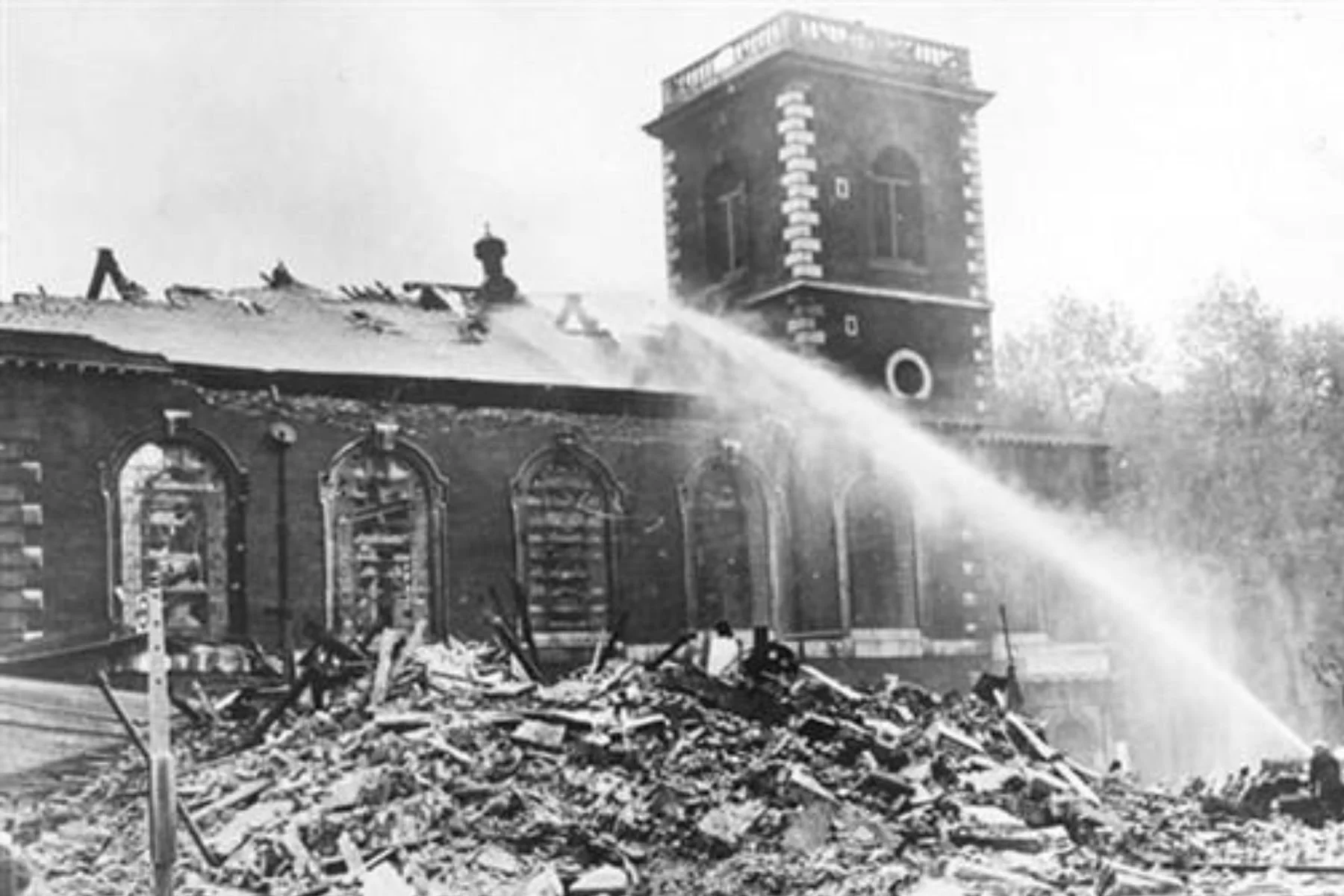
On 14th October 1940, St James’s was reduced to a near ruin in the first phase of the London Blitz. Most of the roof and the rectory was destroyed. Tragically, Charles and Edith Murray, St James’s Verger and his wife, were killed. You can learn more about of our wartime history on St James’ main website, and we’re particularly grateful to Mary Lambert, daughter of the wartime Rector Charles Lambert, for her interview about her wartime memories.
In the aftermath of the bombing, the church site was rapidly inhabited by 42 species of ‘weeds’ which were identified and listed by Prof Edward Salisbury, Director of the Royal Botanic Gardens at Kew. In 1943, he published ‘The Flora of Bombed Areas’ in the journal Nature. It was his species list for St James’s that was rediscovered in the church archives in the early 2020s.
After The Bombing
Poet Diane Paciti brings to life the aftermath of the bombing of St James’s church. You can read or listen to the full poem on the links below. The poem begins:
The smell assaulted them: sour damp and mould;
Raw clay, the acrid lingering of smoke
And fierce burn. They climbed across charred beams.
They on windows turned to splintered glass.
The rector’s wife watched her old life pulled out
Object by object: a child’s mackintosh,
Blankets, a boot, all smeared and thicked with mud:
And those other dug-out things, each of them now
Painfully intimate, that she must place
Apart from her own, belongings of the two
Struck near the shelter which they could not reach:
The verger died first, and then his wife.

Pioneer Plants in 2021
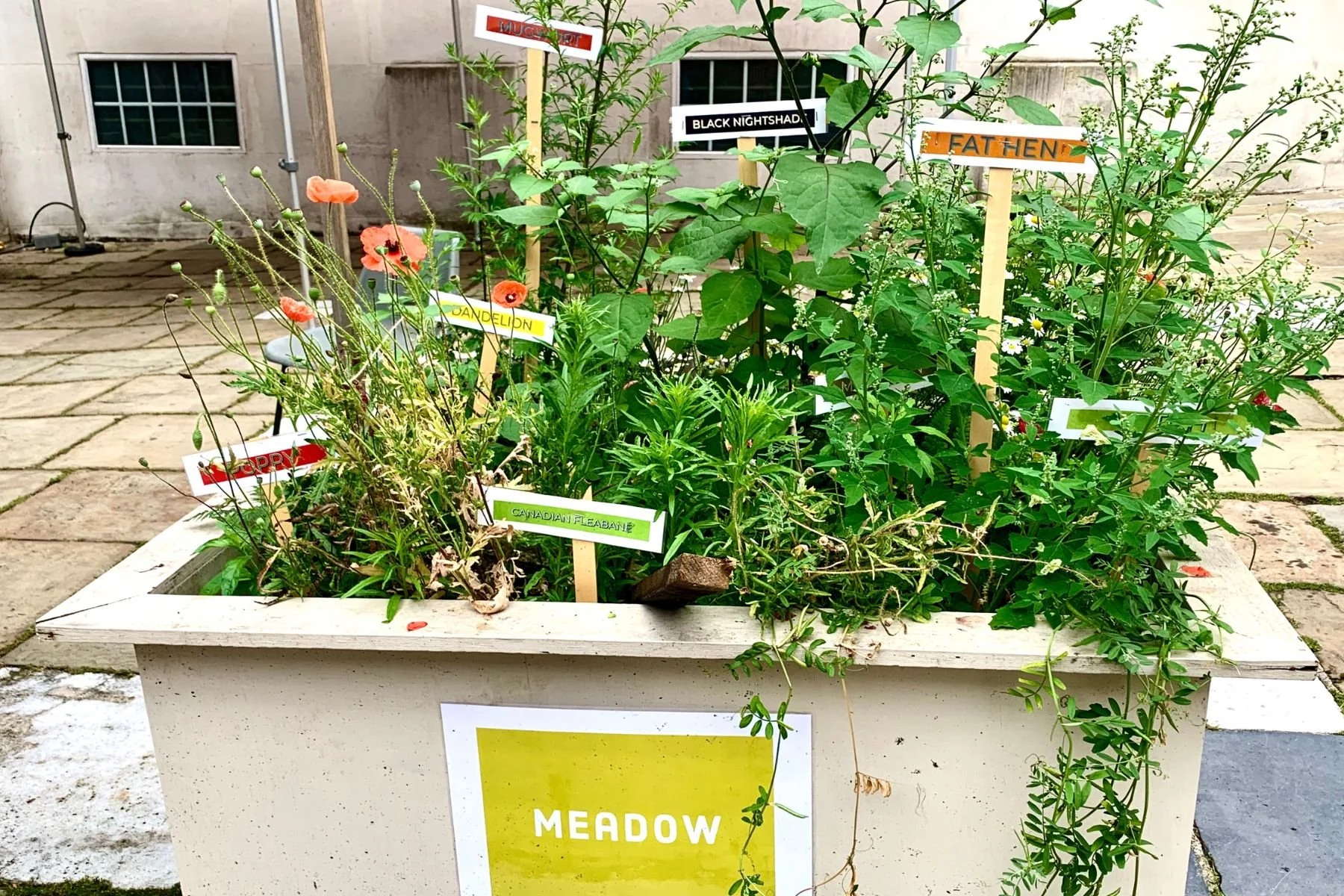
In 2021 we grew our weedy species again, asking what they might have to teach us in this new aftermath of the Covid pandemic. Each plant has a story to tell, showing us how to both inhabit and transform dramatically altered realities, and providing rich cultural or medicinal interest. Many have traveled thousands of miles to be here.
Sowing Day
Deborah Colvin introduces members of the St James’ congregation to some of their fellow plant parishioners.
Blown - in
A video reflection by Sara Mark
On the morning of 15 October 1940 dust and smoke cleared over the rubble and charred remains of St James’s Piccadilly. Who knows when the first seeds blew-in, but their arrival is in no doubt. Forty-two species of annual and perennial herbs were recorded on the bomb-site; tough resilient pioneers taking root in the chaos. They blew-in night and day.
Artist Sara Mark created a series of mono-prints portraying each of these seeds, and this video emerged as one of the resulting works.
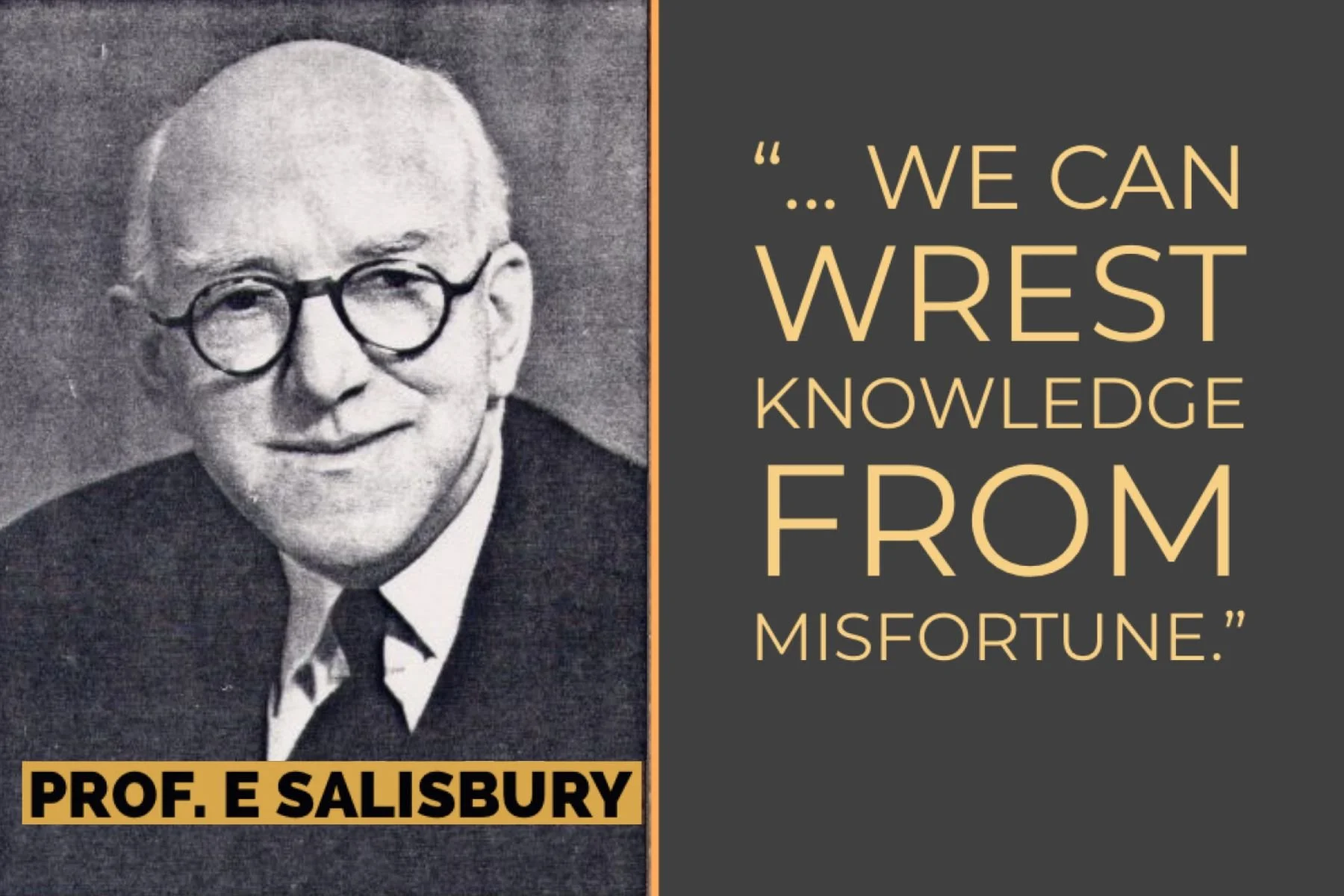
Quoted in his paper ‘The Flora of Bombed Areas’, published in the journal Nature in 1943.
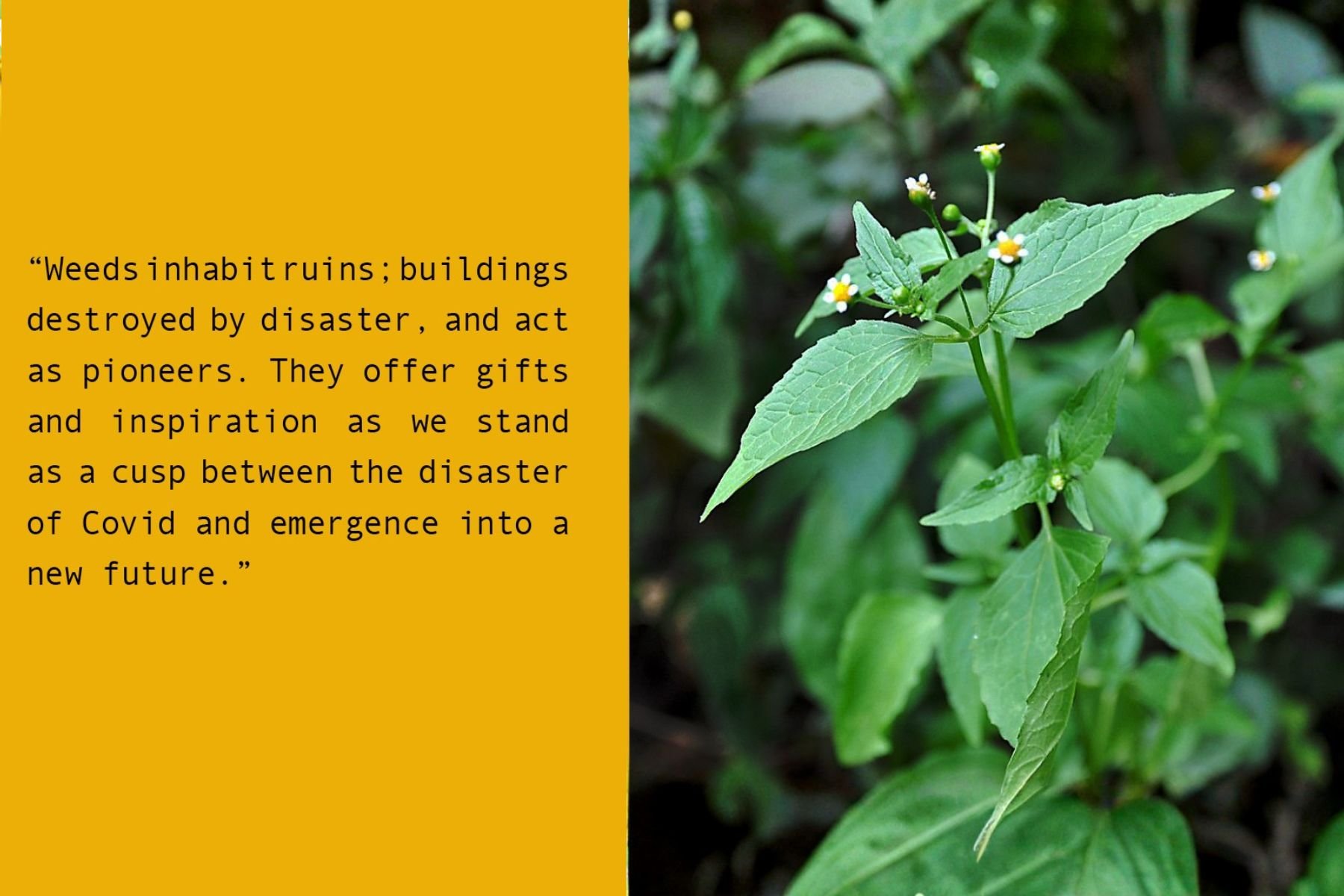
Gallant Soldiers, seen above, was given its name by 18th Century Londoners playfully mis-pronouncing Galinsoga parviflora. It was introduced from Peru into Kew Gardens in 1796, from whence it escaped, and is now naturalised in many countries around the world.
The Return of the Native: A Plant’s View of a City
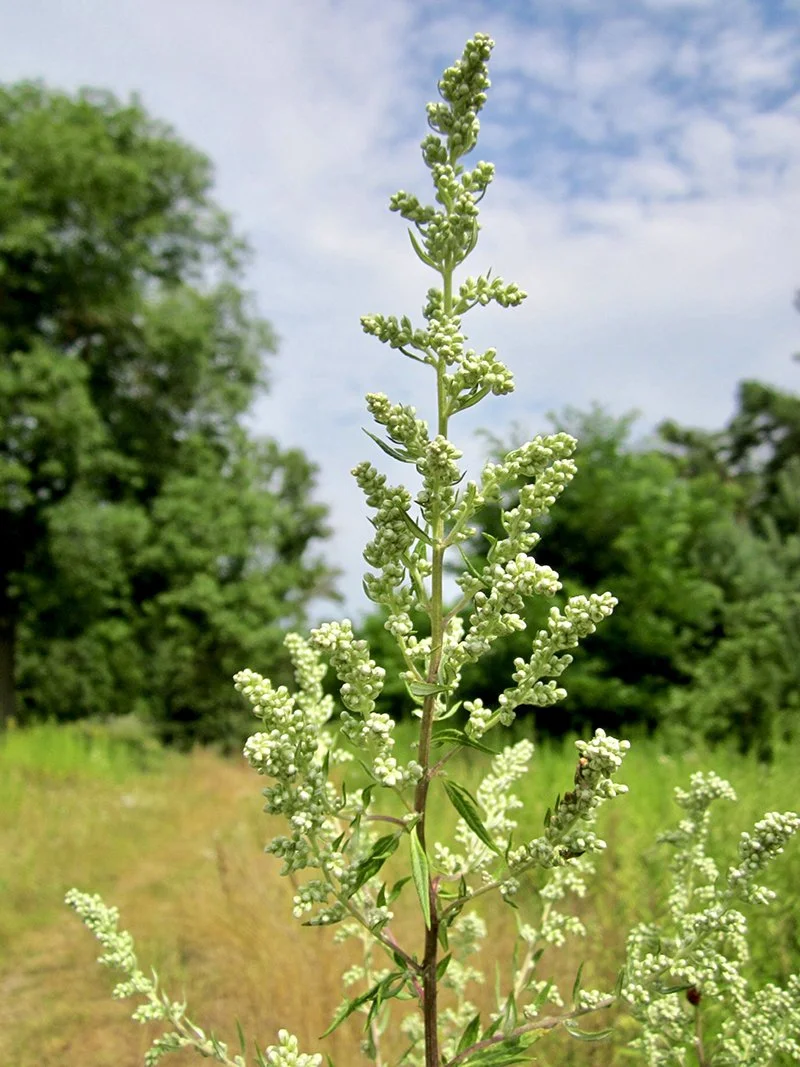
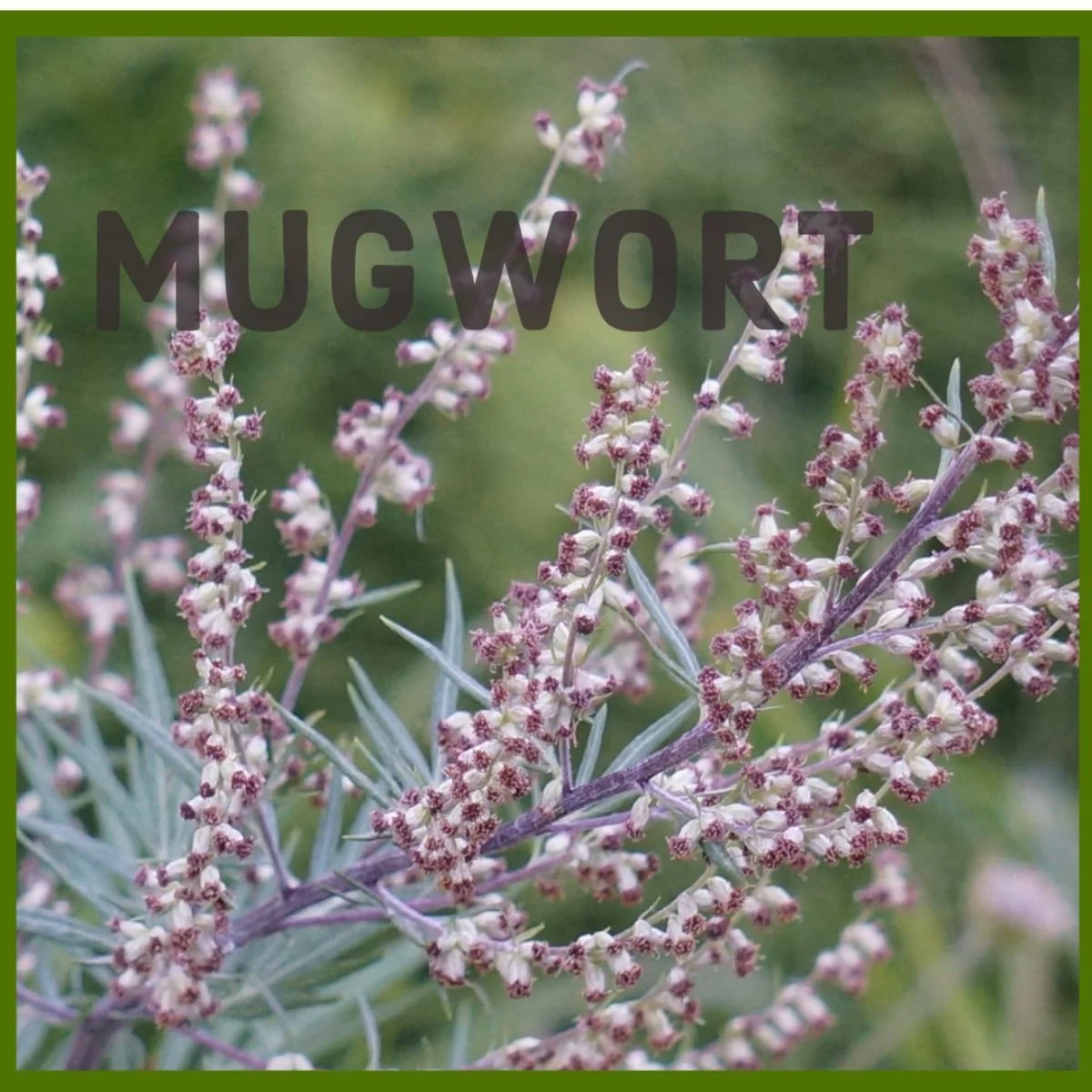
Diane Pacitti has written a short story about the area of St. James’s which whisks you through the centuries - from the point of view of Mugwort.
The story begins….
She lived on the margins, close to the river which latecomer humans called the Thames. She could be found just above the boggy land where the Tyburn floods into the larger river. That presence of marsh gave her one of the many names she acquired through time.
She was not delicately pretty, like the speedwell. She did not reflect the sun in discs of polished gold, like the buttercup. Her seeds did not form parachuted globes, like dandelion clocks which humans could puff and disperse with a wish. She was wild and hardy, begetting progeny almost effortlessly. And unlike some of the grasses, which were tamed, bulged and subsumed into human territory, she was mostly left to herself by the people of Charing and other nearby settlements. The huge grunting pigs which belonged to their farms chose other plants to forage….
Weediness as Allegory
In the course of the project we discovered a paper published at the height of the global pandemic in 2020. ‘The Flora of Bombed Areas (an Allegorical Key)’ by Seth Denizen of the University of California reflects on weediness as allegory.
He demonstrates how Salisbury’s analysis is based on an ecology that tries to see the world from the plants’ point of view while staying within the parameters of empirical science.
Quoting philosopher Walter Benjamin, Denizen invites us to consider that ‘allegories are, in the realm of thoughts, what ruins are in the realm of things’. From within the physical space of allegory, Salisbury invited his audience to see the broken Savoy Chapel as the Rosebay Willowherb saw it: as pure futurity.
For Walter Benjamin, allegories ... (like ruins) ... appear in the aftermath of a process of destruction, in which the specificity or individuality of the world is broken apart in order to be reconstituted within a new narrative. In a ruin, ‘history has physically merged into the setting’. Weeds inhabit ruins, buildings destroyed by disaster, and act as pioneers.
The paper concludes:
‘the bombing produced plants that specialize in catastrophe and are far better at it than the cities in which they live.’
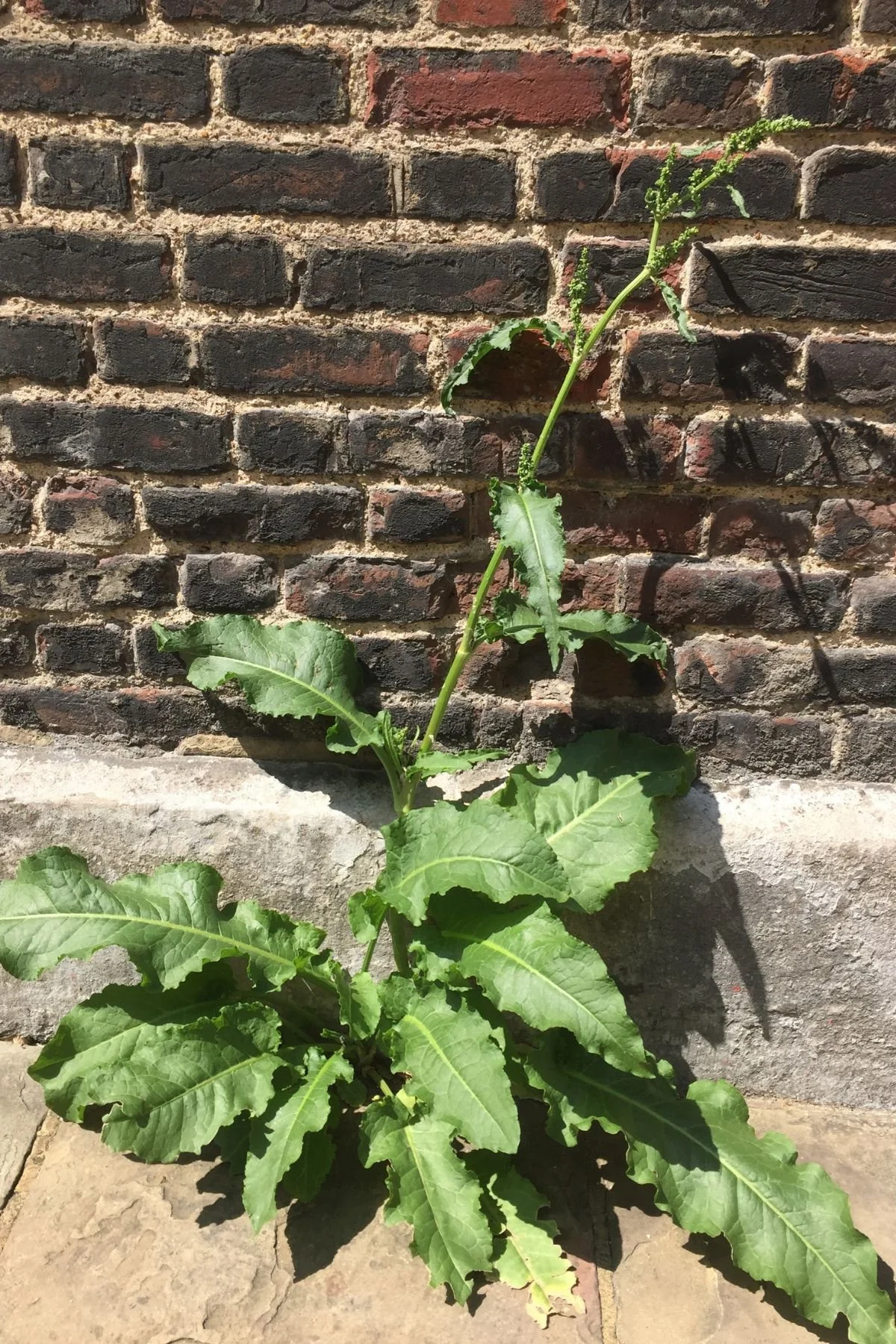
Coming Soon -
Go Exploring!
Aftermath is a very weedy community project! Some of the responses, activities and ideas that germinated and grew are grouped under 4 inter-weaving themes. Please explore and see where the threads take you!
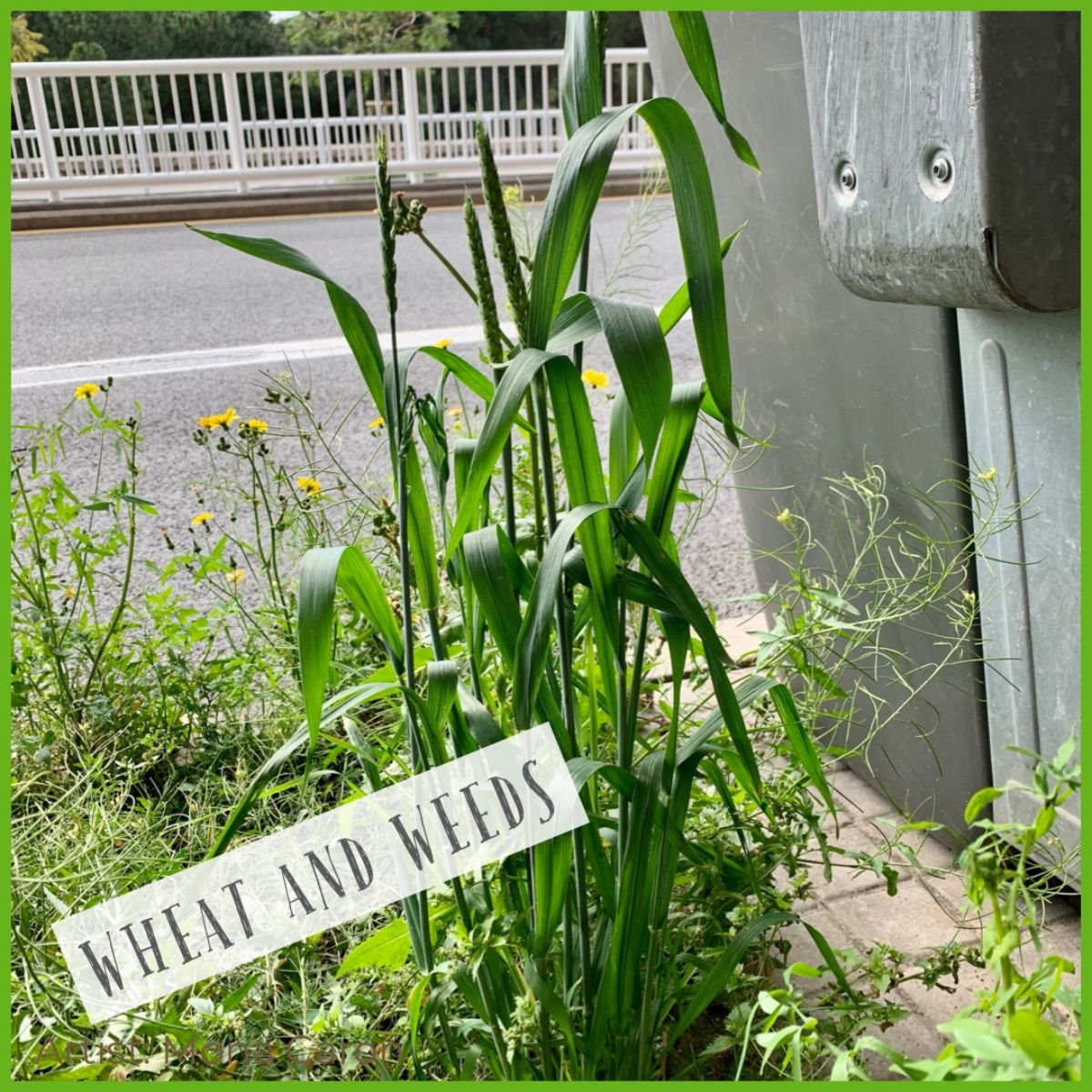
Wilding
What is a weed anyway?
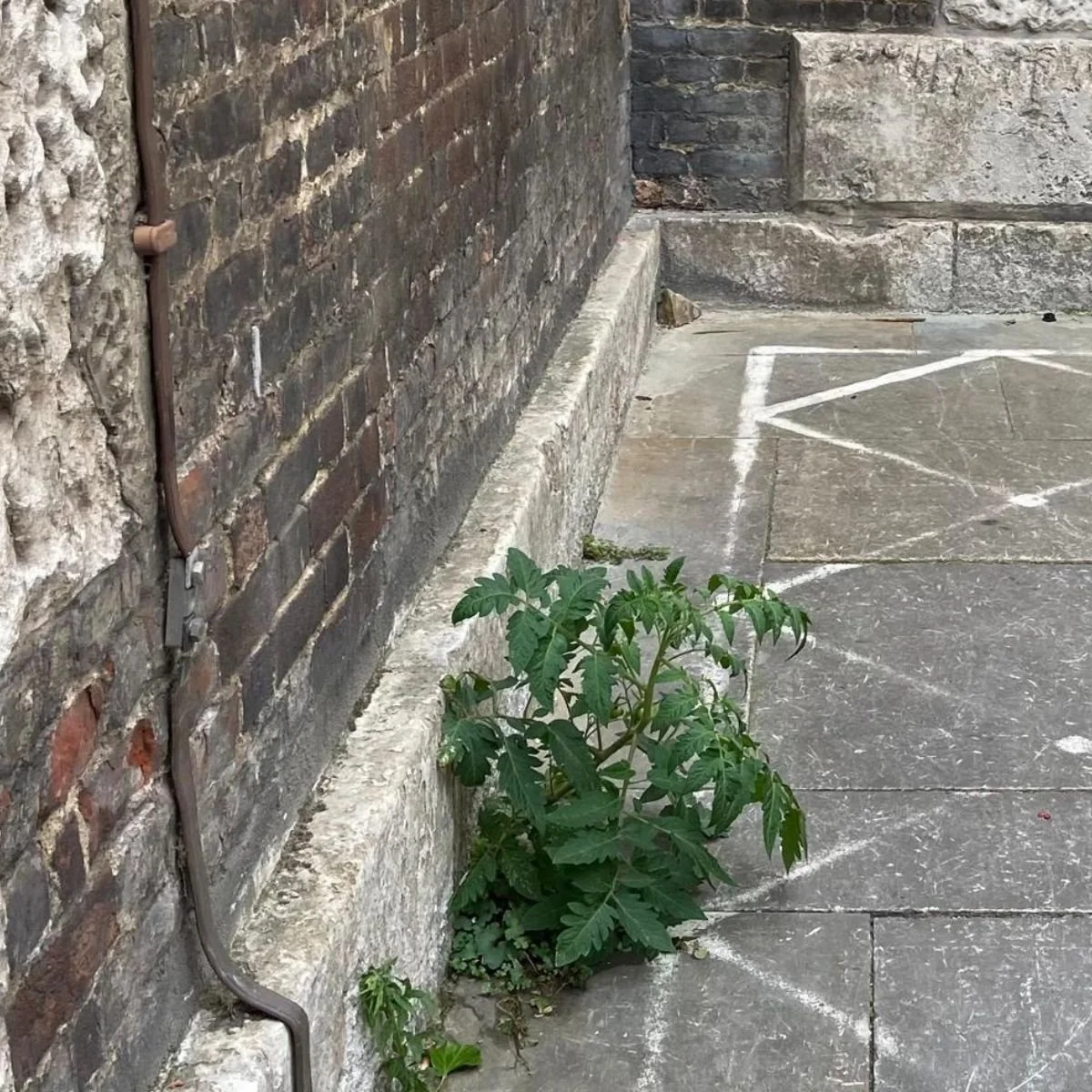
Gift
No soil, no problem
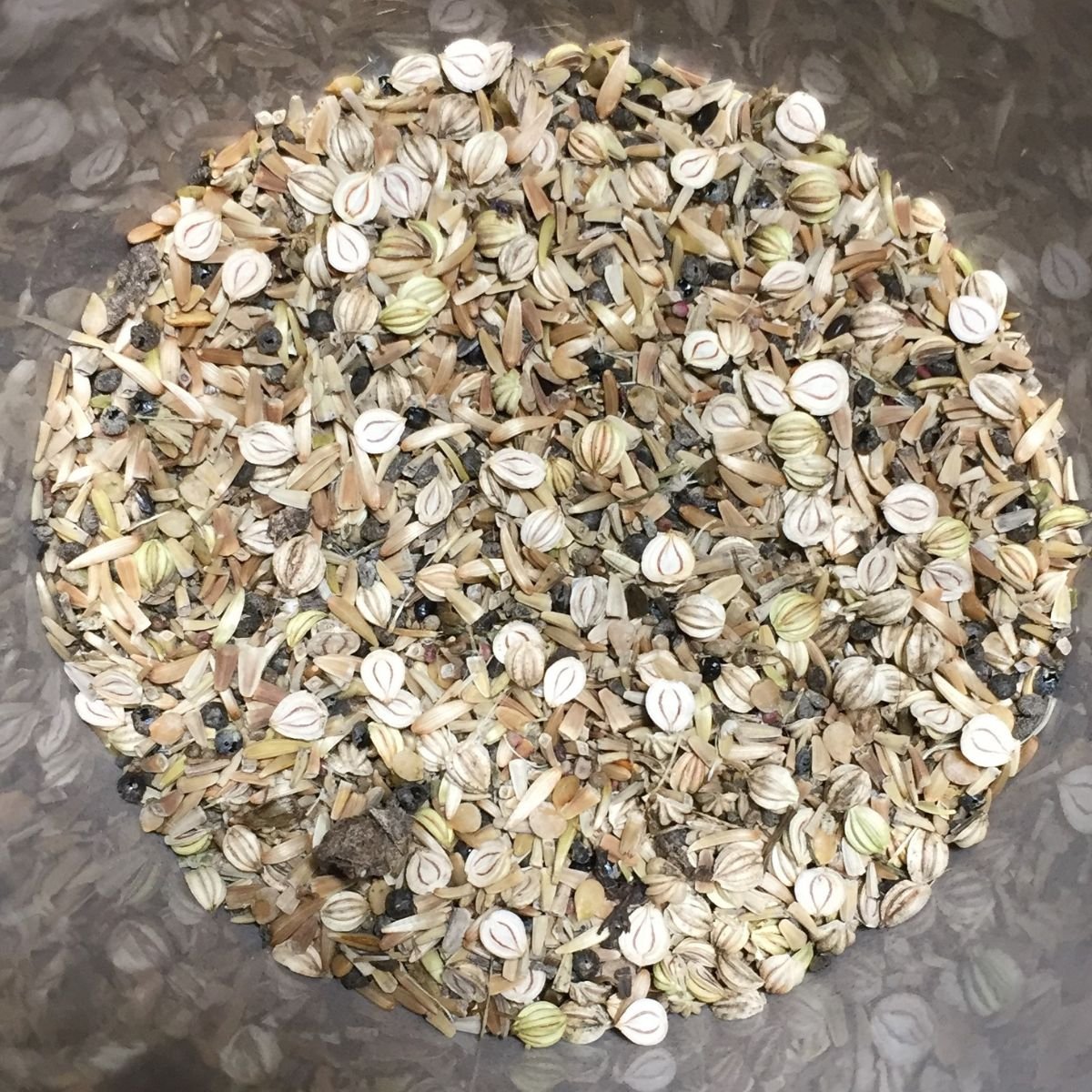
Communities
Weedy seeds
Questioning False Hierarchies
How do weeds organise?
Collaborate With Us
We're always open to new ideas and creative partnerships that bring multiple perspectives into focus in the service of Earth Justice. Please get in touch.
Explore Our Projects
Explore our evolving archive of multi-disciplinary, collaborative projects. We value art, poetry, science, faith, history, community engagement and more, and the creative spaces that open up between them.