Carbon Literacy

St James’s runs Carbon Literacy courses, accredited by the Carbon Literacy Project.
The courses are specifically focussed on the Christian call to protect and respect our planet and care for the most vulnerable people, and it is the most vulnerable who are most impacted by climate change.
The Carbon Literacy Project is a UK charity who runs training sessions for churches, businesses, community groups, government bodies and many others. Since 2012, over 170,124 citizens have participated in courses in over 53 countries worldwide (as of November 2026).
What is Carbon Literacy?
Carbon literacy is a way to learn, and become more informed and aware of how our own lives contribute to climate change, because of the carbon emissions produced by our own lifestyles and the workplaces, businesses and communities we’re part of.
Whilst most of us are aware of the major contributors to climate change such as frequent flights or coal-burning power stations, we’re less aware of the real impact and carbon cost of our everyday decisions activities, such as the food we eat or how our clothes are made. For example, can you have a guess at the carbon cost of a takeaway latte, an apple from the supermarket, or posting a photo on Instagram or sending an email? (If you’re curious, you’ll find all the answers in Mike Berners Lee’s recent book, How Bad are Bananas: The Carbon Cost of Everything.)
What is a Carbon Footprint?
Our “carbon footprint” is how much carbon dioxide and other greenhouse gases are produced every year from our individual, everyday lifestyle choices and activities. For example, how much we fly, drive or eat imported food, meat or dairy. A typical carbon footprint for a UK citizen is about 8.5 tonnes of CO2 equivalent per year, yet our footprints need to be under 2.5 tonnes of CO2 e if we are going to meet 1.5°C temperature goal set in the Paris Agreement. Clearly, we all have serious work to do.
You can calculate your own carbon footprint by visiting the WWF website and it takes about 5 minutes. At the end, you’ll also receive personalised suggestions of ways you could reduce your footprint and which changes are likely to have the biggest impact.

Join a Carbon Literacy Course
St James’s runs Carbon Literacy one day courses a few times a year, and it has been developed by the National Church as a bespoke version of the Carbon Literacy Trust training programme. Anyone is welcome to join (you don’t need to be part of the St James’s congregation to attend a course!). We currently haven’t set dates for 2027, so please email us via our Contact Page to register your interest in the next course, or give you details of other upcoming Carbon Literacy courses at local churches in central London (Two Cities area of London Diocese).
There are 7 hours of contact with an accredited trainer (delivered on one day), plus some pre-course homework. The sessions are interactive with plenty of time for discussion. At the end of the training, participants will be required to make personal and professional pledges to support carbon reduction in their own lives. We will provide lots of support for this.
On the course, you’ll learn about:
The science and impacts of climate change,
Carbon footprints,
Why climate change is relevant to you and your church community,
What you can do to act, as individuals and as a church community,
Justice in relation to climate change,
How to talk about climate change with others.

Course Participants, Dee Hetherington and Diane Yarde.

Reflections from Course Participants

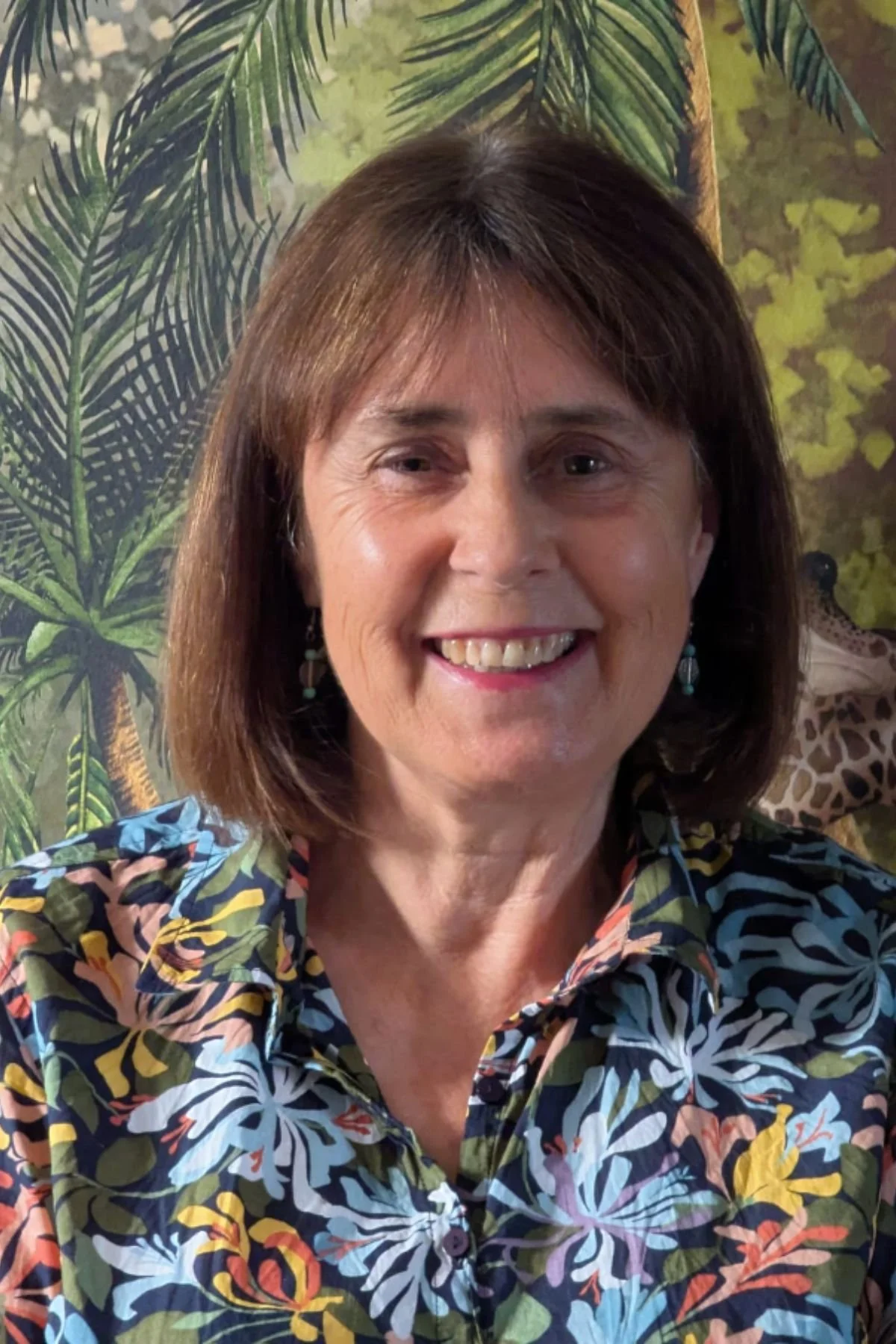
“I highly recommend the Carbon Literacy course. In a single day it ranges from the sublime macro to the ridiculous micro elements of our lives, helping to make sense of often conflicting advice. Our course was taught by the wonderful Deborah Colvin without judgement or censure, encouraging all participants to be honest about their carbon footprints. We all came away informed and inspired to play our tiny part in conserving our magnificent planet for future generations.”
Deborah Perkin
“The impacts of climate change are no longer a distant headline. Closer to home this year, wildfires have broken out across Dava Moor, North Yorkshire, the Mourne Mountains and Dinas Mawddwy, droughts and flooding are already devastating communities across the UK. During the course, I was suddenly faced head-on with my own greed and selfishness and made acutely aware of my own responsibility in doing more to move towards a low carbon lifestyle.”
Ruth Blakebrough-Miller
Practical Actions and Pledges
All course participants pledge to take action to reduce their carbon footprint as part of St James’s church (or their own community or church). Some previous pledges have included… …………zzzzzzzzzzzzzz.
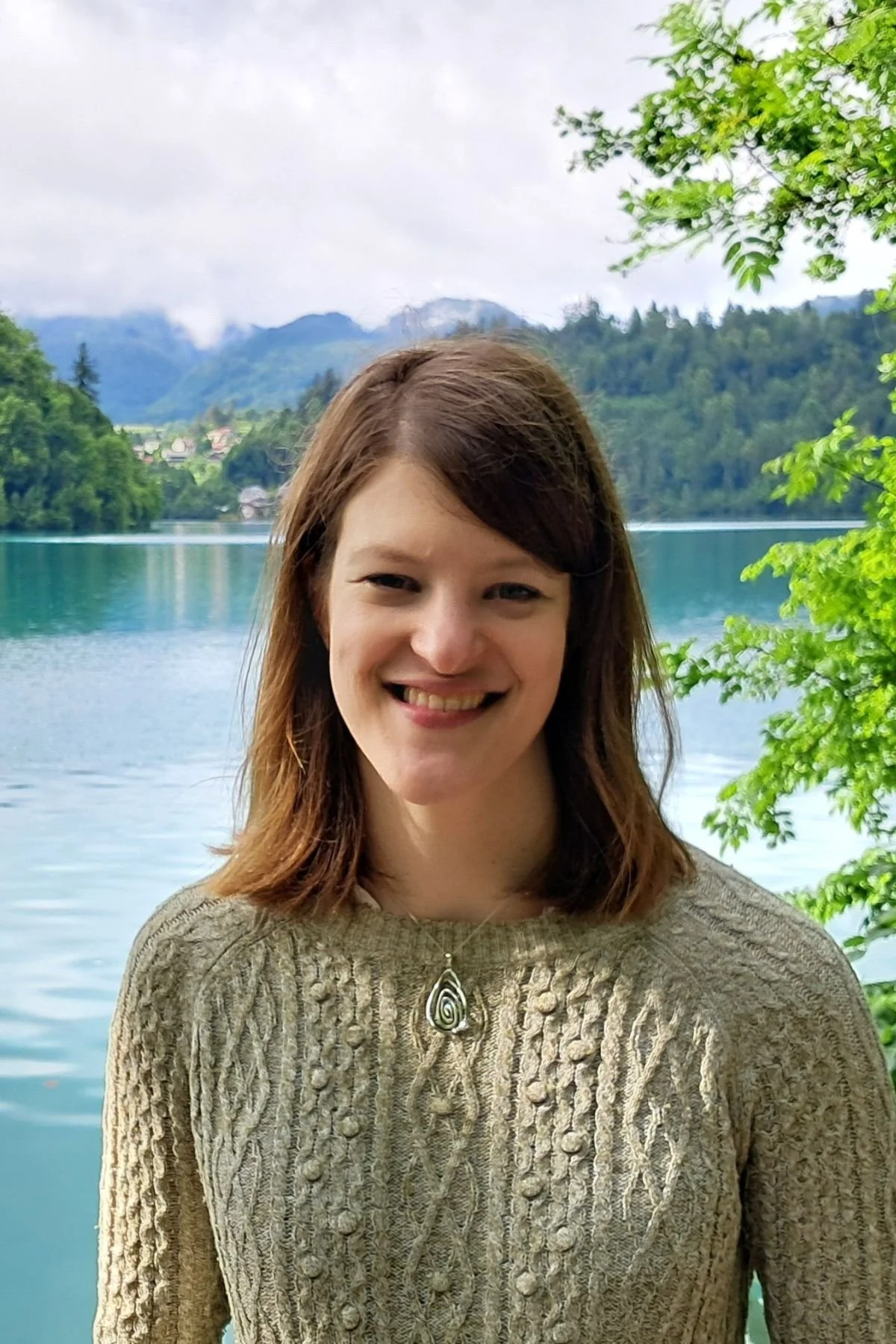
Switch to a Renewable Energy Supplier,
Ruth Blakebrough-Miller
Find out how to switch your energy supplier by … zzzzzzzzzzzzzzzzzz
“Switching our home energy supply is a direct and concrete step each individual can take to lead us away from a reliance on fossil fuels and stem the devastating carbon emissions they produce… Having just returned from the Greenbelt Festival, I feel provoked and challenged, scared but ever so hopeful.”
Everyday Digital Habits,
Zoe Cuckow
Find out how to reduce your own digital carbon footprint by…. zzzzzzzzz zzzzzzzzzzzz
“Quote quote quote zzzzzzzzzzzzzz …..”
Net Zero Carbon in the Church of England
The Church of England General Synod has set a target of achieving net zero carbon by 2030, and every parish has a responsibility to do what they can to support this. Church of England Environment programme says:
“We believe that responding to the climate crisis is an essential part of our responsibility to safeguard God's creation and achieve a just world. Climate change hits hardest the poorest countries and poorest people of the world. Meantime, the widespread destruction of the natural world is a crisis for creation. Our Environment Programme exists to enable the whole Church to address this — in faith, practice and mission. This includes tackling our own carbon emissions (aiming for Net Zero Carbon by 2030) and our wider work.“
Explore Our Projects
Explore our evolving archive of multi-disciplinary, collaborative projects. We value art, poetry, science, faith, history, community engagement and more, and the creative spaces that open up between them.
Collaborate With Us
We're always open to new ideas and creative partnerships that bring multiple perspectives into focus in the service of Earth Justice. Please get in touch.