
Project Switch!
Ruth Blakebrough-Miller writes about Project Switch!, her Carbon Literacy Training pledge to encourage people to switch to a renewable energy supplier, and the inspiration behind it.
In Summer 2025, I completed the Carbon Literacy Training at St James’s and experienced a renewed sense of shock, and I have to admit, shame, recognising again that it was our individual lifestyles that continued to contribute hugely to climate change and the catastrophic damage being wrought on this earth and on people in faraway places, whom I didn’t know, but through my faith, was called to love.
The impacts of climate change were no longer a distant headline. Closer to home that year, wildfires had broken out across Dava Moor, North Yorkshire, the Mourne Mountains and Dinas Mawddwy, while droughts and flooding were already devastating communities across the UK.
During the Carbon Literacy course, I was suddenly faced head-on with my own greed and selfishness and became acutely aware of my own responsibility to do more to move towards a low-carbon lifestyle. We had known for years that we were rapidly and systematically destroying our own life-support systems, nature and climate. Most people wanted action but didn’t realise how many others wanted it too. Changes in our own behaviour became self-accelerating and self-perpetuating, and it was true, then more than ever, that the minority could change things for the majority.
Having just returned from the Greenbelt Festival over the August bank holiday weekend, I felt provoked and challenged, scared but ever so hopeful. I listened to the likes of Ian Christie (Enough is Enough), Mike Berners-Lee (Director, Small World Consulting & Professor at Lancaster University) and Tim Lenton (Chair in Climate Change and Earth System Science at the University of Exeter), and mission impossible didn’t seem quite so impossible anymore. You can find some of these talks in the online Greenbelt Festival Archive (search “climate emergency”.) I had taken on board the fact that we could each play a part in triggering vital tipping points that could accelerate us out of the climate crisis.
So, where did this all lead?
My Pledge: Project Switch!
I pledged to encourage as many congregation members as possible to switch to a green energy supplier and provide information on how to do it.
Switching our home energy supply is a direct and concrete step that each individual could take to move away from a reliance on fossil fuels and reduce the devastating carbon emissions they produced. Many green energy suppliers not only sourced energy from renewable sources such as wind and solar but also invested in renewable energy projects. According to a report from the International Renewable Energy Agency, more than nine in ten renewable power projects globally are now cheaper than fossil-fuel alternatives. Solar power is about 41% cheaper than the lowest-cost fossil-fuel alternative, and onshore wind generation is less than half the price of fossil fuels.
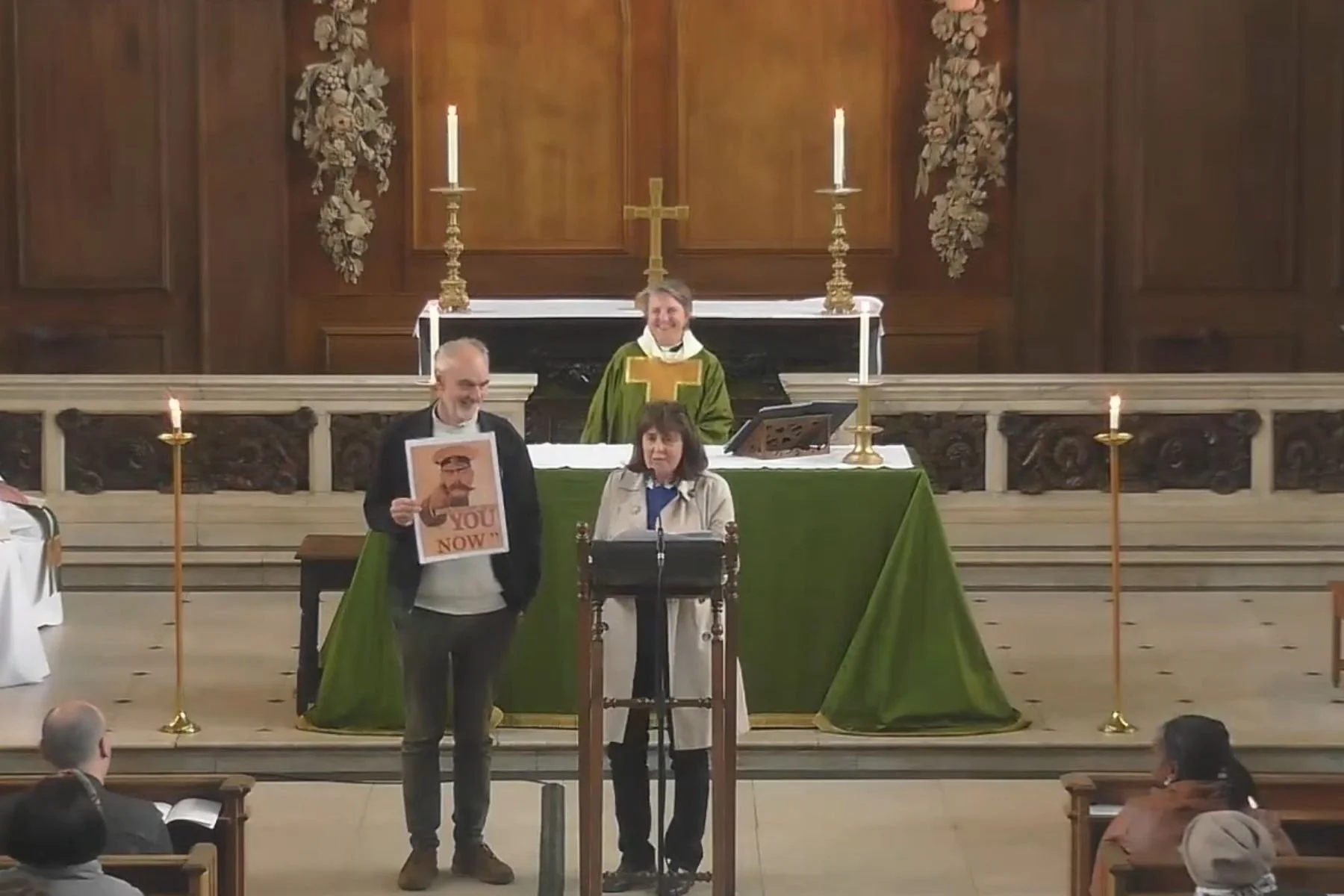
So, as part of the Season of Creation (1st September to 4th October 2025), I wrote a blog for the church weekly newsletter and in the congregational notices after every Sunday service, I stood at the microphone and encouraged members of the congregation to consider switching to a green energy supplier if they had not already done so. And it didn’t stop there. I encouraged people to talk about this with their family and friends, colleagues and neighbours. A critical mass of people moving to low-carbon lifestyles can create a positive social tipping point.
As a result, 5 or 6 people told me they’d switched their supplier and a couple of people (who already have a green supplier) got relatives to switch too. A fantastic result!
How to Switch Energy Suppliers
To switch to a green energy supplier in the UK, use a comparison website to find available green tariffs, input your postcode and details to get quotes, and then select a provider. Your new supplier will handle the switch, so you don’t need to contact your old one. Be sure to check the fuel mix of tariffs, as some are more committed to 100% renewable sources than others
1) Research and Choose a Supplier
Use Comparison Sites: Visit websites like Go Compare, MoneySuperMarket or Compare the Market to compare different green energy tariffs.
Look for Green Tariffs: On the comparison site, select the option to view only green or eco-friendly tariffs.
Check the Fuel Mix: Read the terms and conditions for each tariff to understand their “greenness”. Some suppliers offer 100% renewable energy, while others may have green tariffs that still use some fossil fuels but also support renewable projects or carbon offsetting.
2) Gather Your Information
Find Your Details: You’ll need information from your current energy bill, including your postcode, name of your current supplier and tariff, and your annual energy usage in kilowatt-hours (kWh).
3) Make the Switch
Select and Sign Up: Choose the tariff that best suits your priorities and sign up with your chosen new supplier.
Let Them Handle It: Your new energy supplier will contact your old supplier and manage the entire switching process. You can switch without interruption to your service under the Energy Switch Guarantee.
What “Green Energy” Means
Renewable Electricity: This means the electricity is sourced from wind, solar, or hydroelectric power.
Green Gas: Since there isn’t enough 100% green gas in the UK to supply everyone, most green gas tariffs are either a mix of green gas and natural gas or use carbon offsetting to compensate for their emissions.
Some renewable energy suppliers
Ecotricity, www.ecotricity.co.uk
Good Energy, www.goodenergy.co.uk
Octopus Energy, www.octopus.energy
Utility Warehouse, www.uw.co.uk