
Carbon Footprint of Digital Technology

We often think about the carbon footprint of travel, food and energy, but what about our digital lives? From our laptops and phones, emails and cloud storage, to video streaming and AI tools, every online activity uses energy somewhere.
This page explores the hidden environmental impact of technology and offers practical tips to help you use digital tools more thoughtfully.
Technology might not be the first thing that springs to mind when you think of reducing your impact on the environment and your carbon footprint, but the technology sector is responsible for around 4% of global carbon emissions and this figure is expected to grow significantly in the coming decades.
Many of us rely on our phones and laptops. It's hard to imagine modern life without the ability to communicate instantly, access information, work remotely, navigate unfamiliar places, or stay connected with friends and family. Clearly, all this technology has great benefits, so we’re not suggesting that we need to give up the tools we all rely on, but use our devices more mindfully and reduce our environment impact wherever we can.
Behind our screens are energy-hungry data centres, data networks and cables, servers, and manufacturing processes that consume electricity, water and raw materials. The environmental impact of our digital lives comes not only from using technology, but also from making the devices themselves and storing and processing the ever-growing amount of data we create.
These impacts can seem invisible, but they quickly add up. The average online activity of a UK citizen produces around 8.6kg of CO2e (carbon dioxide equivalent) emissions each week, roughly the same as driving a petrol car for 21-30 miles. The growth of artificial intelligence (AI) is adding a new dimension to this challenge. AI systems require significant computing power and are driving rapid expansion in data centre capacity, electricity consumption and water use around the world.
Not all carbon-saving actions are equal. The table below ranks the actions covered in our factsheets from most to least impactful, as a guide to where your effort is best spent first. Some, like keeping a phone for longer or switching to a genuinely green electricity supplier, are one-off decisions that quietly reduce your footprint for years afterwards. Others are daily habits — how you stream, charge, email, or use AI — that only add up with repetition, but are worth building anyway. Some of the biggest opportunities aren’t personal at all: getting involved in how new data centres are built and powered could outweigh anything any one of us does individually.
Many of these issues are difficult to solve as individuals. Decisions about data centres, electricity generation, network infrastructure and technology design usually sit with governments and large companies. But by understanding the hidden environmental costs of technology and taking practical steps where we can, we can help create a more sustainable digital future.
| Rank | Action | Why it ranks here | Effort | Factsheet |
|---|---|---|---|---|
| 1 | Keep devices longer, or buy refurbished | Manufacturing causes 70–85% of a smartphone's lifetime carbon. Avoiding or delaying a new purchase sidesteps most of a device's footprint entirely, far more than any usage habit could claw back. | One-off decision, repeated every few years | Hardware |
| 2 | Switch to a genuinely green electricity supplier | Changes the carbon intensity of every kWh your home uses, reducing the footprint of everything else on this list that runs on your electricity. | Low (one-off) | Energy |
| 3 |
Change everyday streaming and device habits Lower-resolution video, Wi-Fi over mobile data, device sleep/charging, autoplay off |
Video streaming is the single largest share of most people's online activity, and the average UK citizen's weekly online footprint is dominated by it, so small repeated choices here add up more than any other daily habit. | Low, but needs repeating | General Digital Habits |
| 4 | Think before using an AI chatbot | A chatbot query uses around 10× the electricity of a search, and AI's footprint is growing rapidly. For most people today, total AI use is still smaller than streaming volume, but it's the fastest-growing category and an easy "default to search" switch. | Very low | AI Use |
| 5 |
Cut standby power at home Switch off at the wall, smart plugs, router eco-mode |
Well-evidenced saving (£50–100/year, 5–10% of household electricity), but it only affects devices left idle, not your whole electricity footprint. | Low (one-off setup) | Energy |
| 6 |
Email habits Unsubscribe, delete, avoid attachments |
Measurable but modest. An average person's annual email footprint is roughly equivalent to 128 miles of driving, and attachments can be 5–12× the footprint of plain text. | Low | |
| 7 |
Tidy cloud storage Delete old photos/files |
Storage is a small slice of a data centre's total energy use compared with active computing and cooling, so deleting old files has a marginal personal effect. | Low | Data Centres & Cloud Storage |
| 8 | Get involved: data centre planning and campaigns | Different in kind from the rest of this list. Influencing the energy source, cooling system or location of a single new data centre could affect more carbon than any individual's lifetime of habits. | Higher (time/advocacy) | Data Centres & Cloud Storage |
Practical Actions
The factsheets below offer practical, realistic actions to reduce the environmental impact of our digital choices.

Hardware
The environmental impact of technology starts long before a device reaches your hands. Mining raw materials, manufacturing components and global supply chains all contribute to the footprint of our phones, laptops and tablets. This factsheet explores why keeping devices for longer is one of the most powerful sustainability choices we can make. You'll find practical tips on extending the life of phones, tablets and laptops, advice on repair and refurbishment, and guidance on responsible recycling.
Energy Use
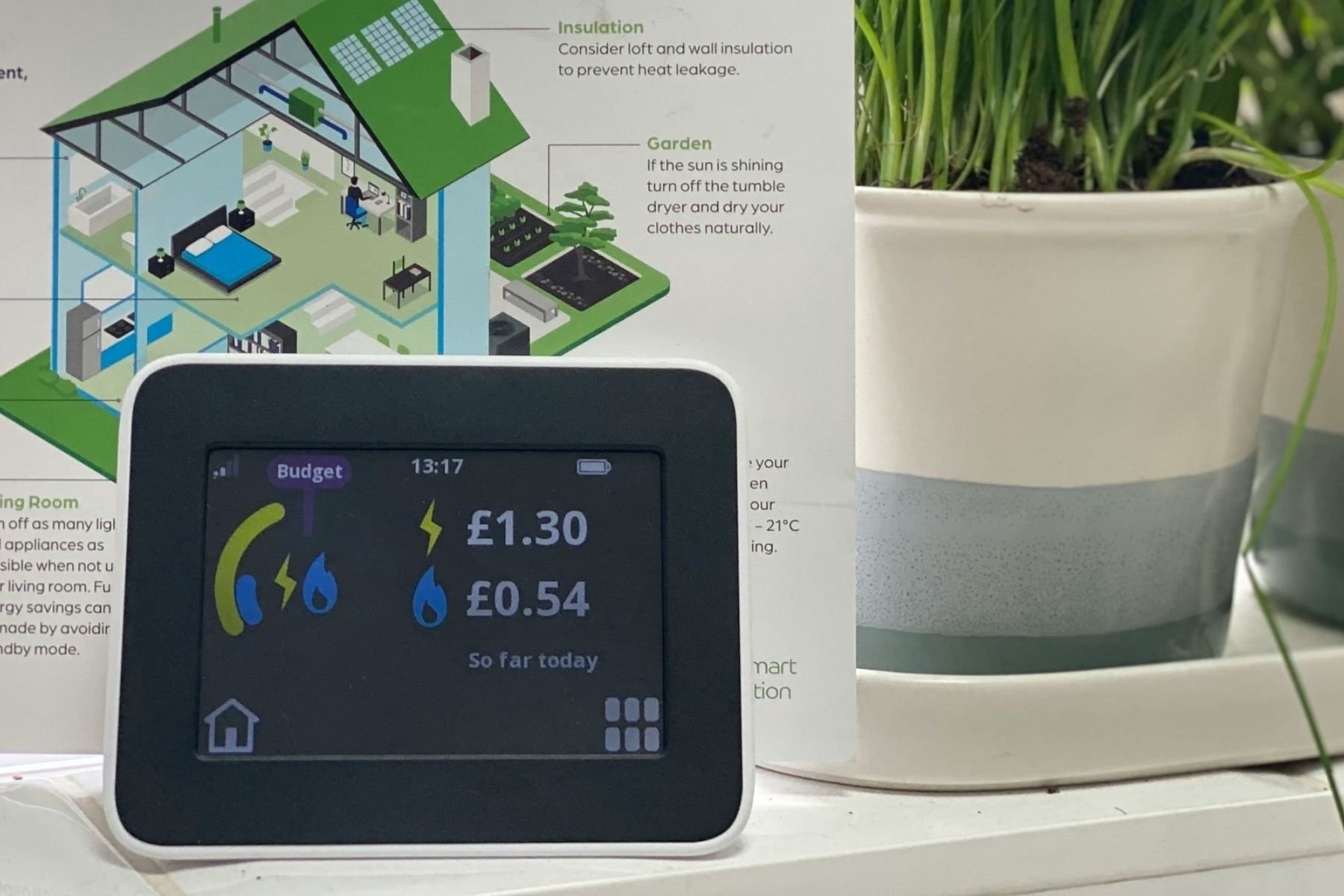
Every click, stream, search and video call relies on electricity, but how much energy does our digital world actually use? This factsheet explores the hidden energy demand behind everyday technology, from the devices on our desks to the data centres that keep the internet running.
Online Habits
From video streaming and web searches to device charging and mobile data use, small actions quickly add up. This factsheet brings together practical tips for reducing your digital footprint without giving up the services you value.

AI Use
Artificial intelligence (AI) is transforming how we work, search, write and create, but it also requires significant energy, computing power and water resources. AI is rapidly becoming a significant environmental issue, as it becomes embedded in more aspects of daily life. This factsheet explores the environmental impact of AI, how to use more efficiently, and where small changes can reduce unnecessary resource use.

Emails
Emails are so much a part of everyday life that we rarely think about their wider impact. Yet every message sent, received and stored requires energy and digital infrastructure. This factsheet explores the hidden footprint of email, while offering practical ways to manage your inbox more effectively and sustainably.
Data Centres and Cloud Storage
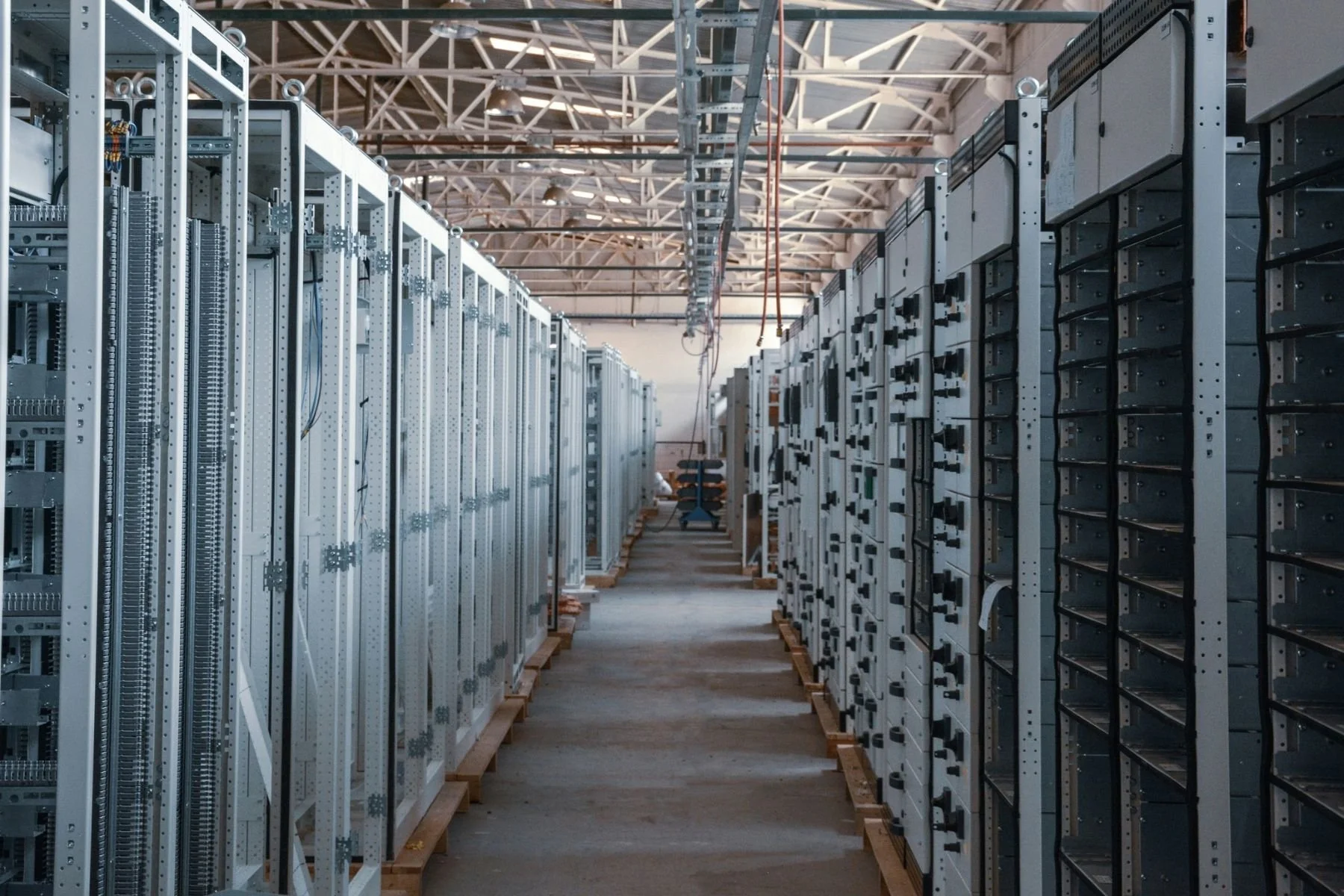
‘Cloud storage’ such as Google Drive, OneDrive or iCloud, may feel invisible, but every photo, document and email is stored in a physical data centre powered by real energy and resources. As demand for digital services grows, so does the environmental impact of storing our data. This factsheet explains what happens behind the scenes, why data centres matter, and how simple actions like clearing old files and managing cloud storage can help reduce unnecessary demand.
These resources were researched and written by Zoe Cuckow, Deborah Perkin and Hazel Bradley as part of our Carbon Literacy Training in May 2026. To find out more about St James’s Carbon Literacy Training courses, see our latest information here. Given how rapidly technology (especially AI) is changing, some of the statistics may be quickly outdated, so please bear this in mind when using these statistics, and you can contact us with updated statistics or questions.
Explore Our Projects
Explore our evolving archive of multi-disciplinary, collaborative projects. We value art, poetry, science, faith, history, community engagement and more, and the creative spaces that open up between them.
Collaborate With Us
We're always open to new ideas and creative partnerships that bring multiple perspectives into focus in the service of Earth Justice. Please get in touch.