Intimacy, Relationship, Identity
Sunday 27th April 2025, led by Deborah Colvin

lichens on rock
Opening Reflection
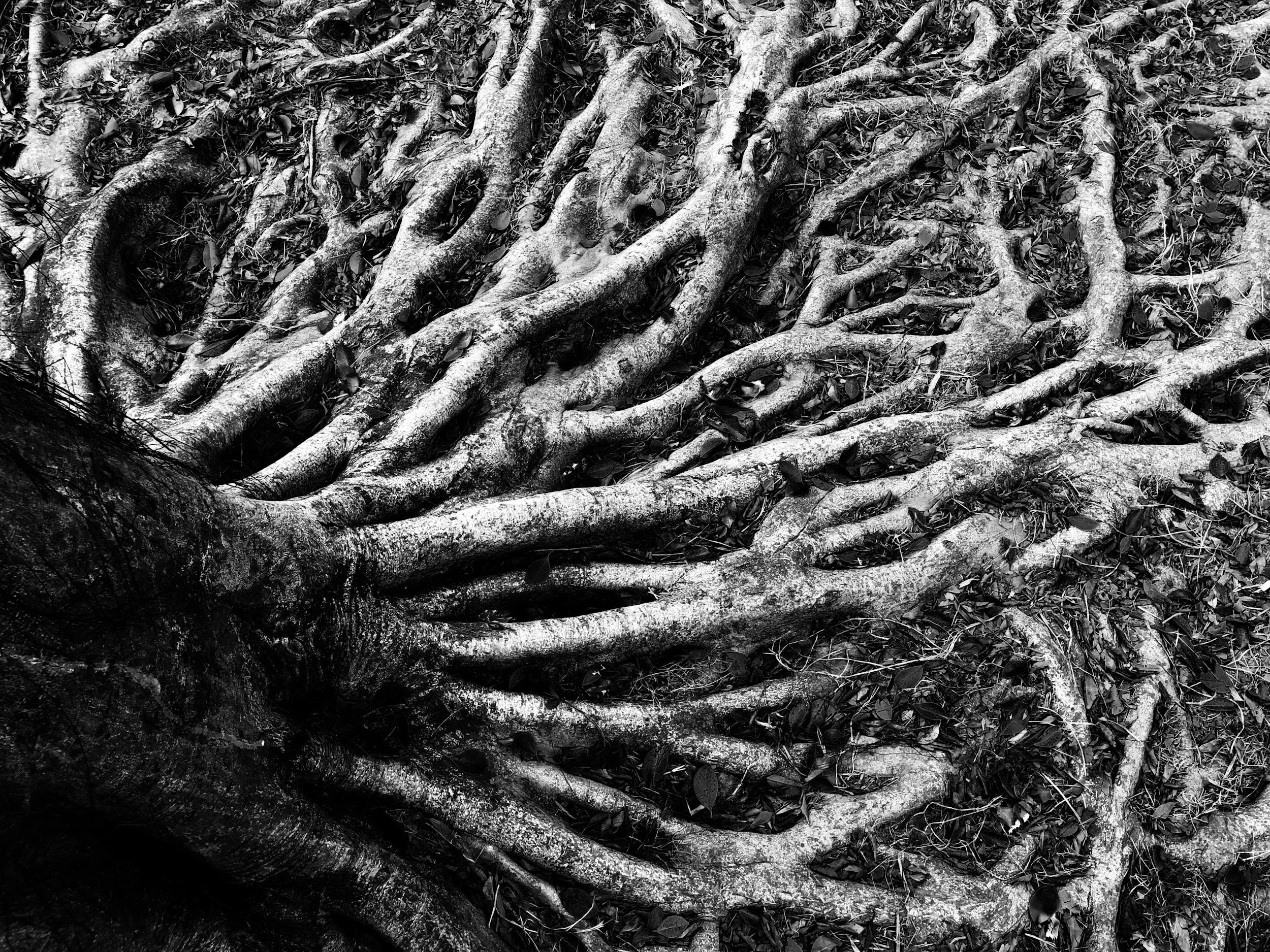
Living things form marvellous, creative, flourishing associations and identities. We can think of our own gut microbes and skin microbes as members of an ecosystem to which we also belong. Mycorrhizal fungi can live completely surrounding plant roots or even inside the root cells, in mutual, growth-ful relationship across species.
But the fungus and alga that together make a lichen are even more intimate – they have become a single organism which can live in places that neither partner could on its own. The two (sometimes three) partners have been utterly transformed, they cannot go back to their individual lives. Lichens can grow on rock, enabling non-living minerals to pass directly across membranes into living creatures and nourish them.
What do lichens tell us about identity and relationship? What is an individual? Is there a clear line between living and non-living?
Readings
‘Kathleen Jamie has talked of serious noticing – the idea of attention as a form of resistance. The more one pays serious attention to lichen, the more compelling and unknowable it becomes, vivid with what Vahni Capildeo has called the ‘lovely alterity’ of the non-human’.
Sara Westcott
Marriage of fungi and algae,
chemists of air,
changers of nitrogen-unusable into nitrogen-usable.
Like those nameless ones
who kept painting, shaping, engraving,
unseen, unread, unremembered.
Not caring if they were no good, if they were past it.
Rock wools, water fans, earth scale, mouse ears, dust,
ash-of-the-woods.
Transformers unvalued, uncounted.
Cell by cell, word by word, making a world they could live in.
‘For the Lobaria, Usnea, Witches Hair, Map Lichen, Beard Lichen, Ground Lichen, Shield Lichen’ excerpt by Jane Hirschfield
We take a moment to consider the multi-faceted nature of intimacy and relationship and identity.
Individual Contemplative Time (15 minutes)
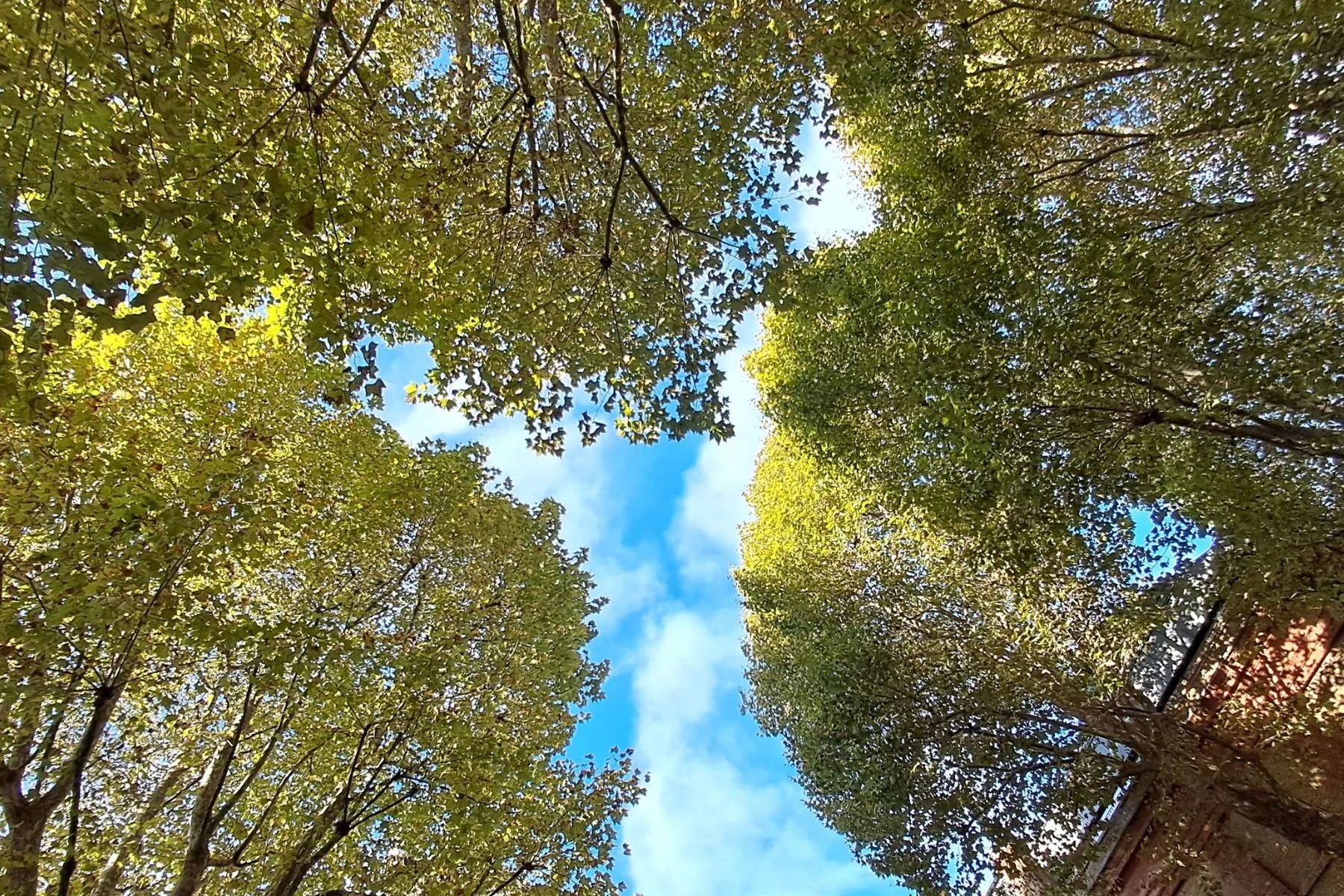
If you are online , give your attention to a plant or the view from a window if you can. Those of us in the garden, simply walk or sit until something draws your attention. Gaze, as if at a beloved. If thoughts arise, acknowledge them and let them go, like passing clouds. Simply keep coming back to what drew your attention, for its own sake only.
Regathering
If you would like to, please share any particular response you have had.
Reading
i thank You God for most this amazing
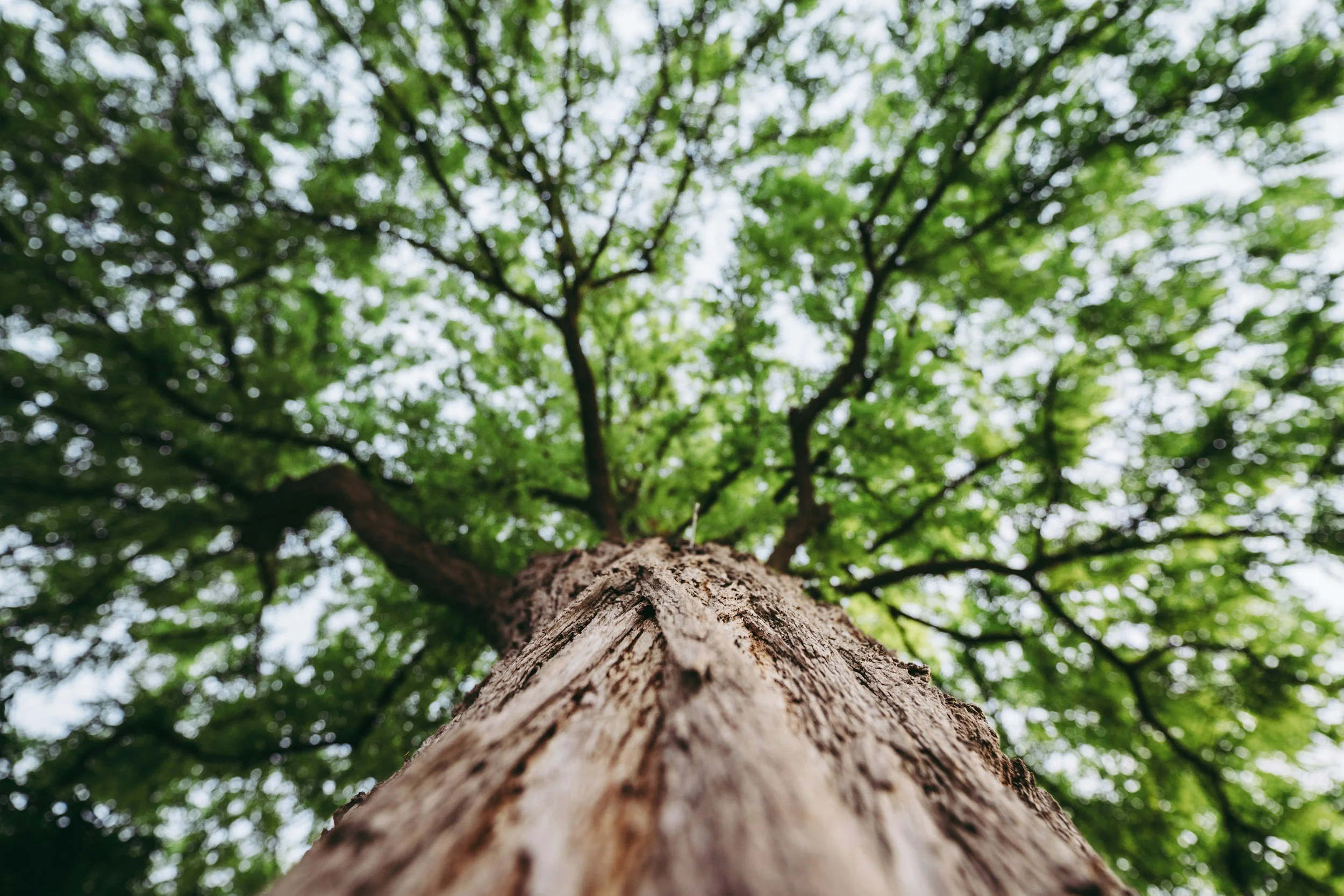
day: for the leaping greenly spirits of trees
and a blue true dream of sky; and for everything
which is natural which is infinite which is yes
(i who have died am alive again today,
and this is the sun’s birthday; this is the birth
day of life and of love and wings: and of the gay
great happening illimitably earth)
how should tasting touching hearing seeing
breathing any—lifted from the no
of all nothing—human merely being
doubt unimaginable You?
(now the ears of my ears awake and
now the eyes of my eyes are opened)
‘i thank You God for most this amazing’ e.e. cummings
Amen
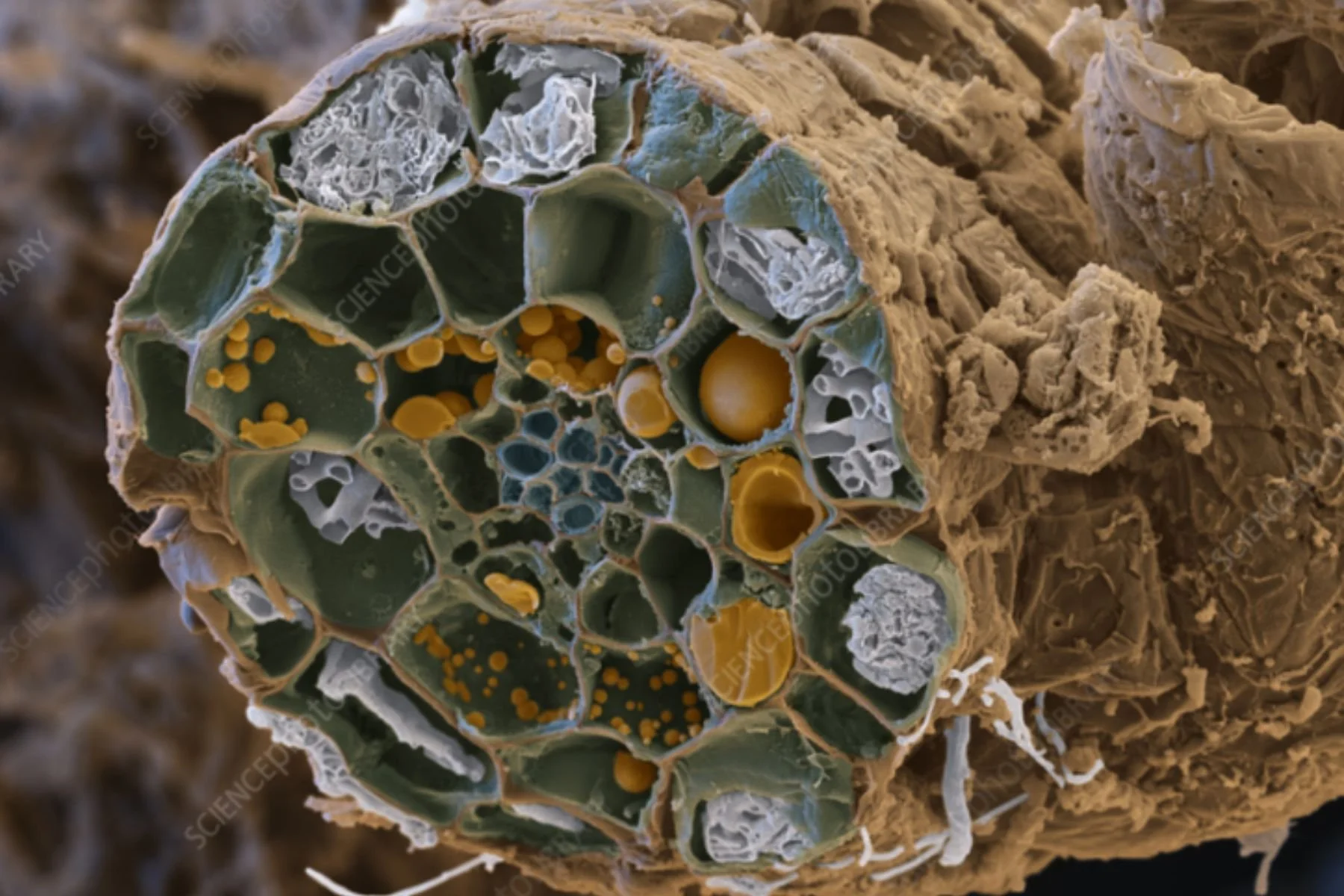
Endomycorrhiza in blueberry root https://www.sciencephoto.com/search?q=endomycorrhiza+in+blueberry+root
Magnified cross-section of fungal threads (white Living inside root cells and also connected to the surrounding soil.
Upcoming Eco-Contemplative Liturgies
View More Eco-Contemplative Liturgies