Rooted in God’s Earth
Sunday 27th July 2025, led by Julia Chalkley
Gathering
We take a few moments to feel the ebb and flow of our breath, and to connect with our sense of place. Turn the attention outwards and become aware of the sounds furthest from you, of the large space around and above you; sense the ground beneath your feet.
Julia’s Observation
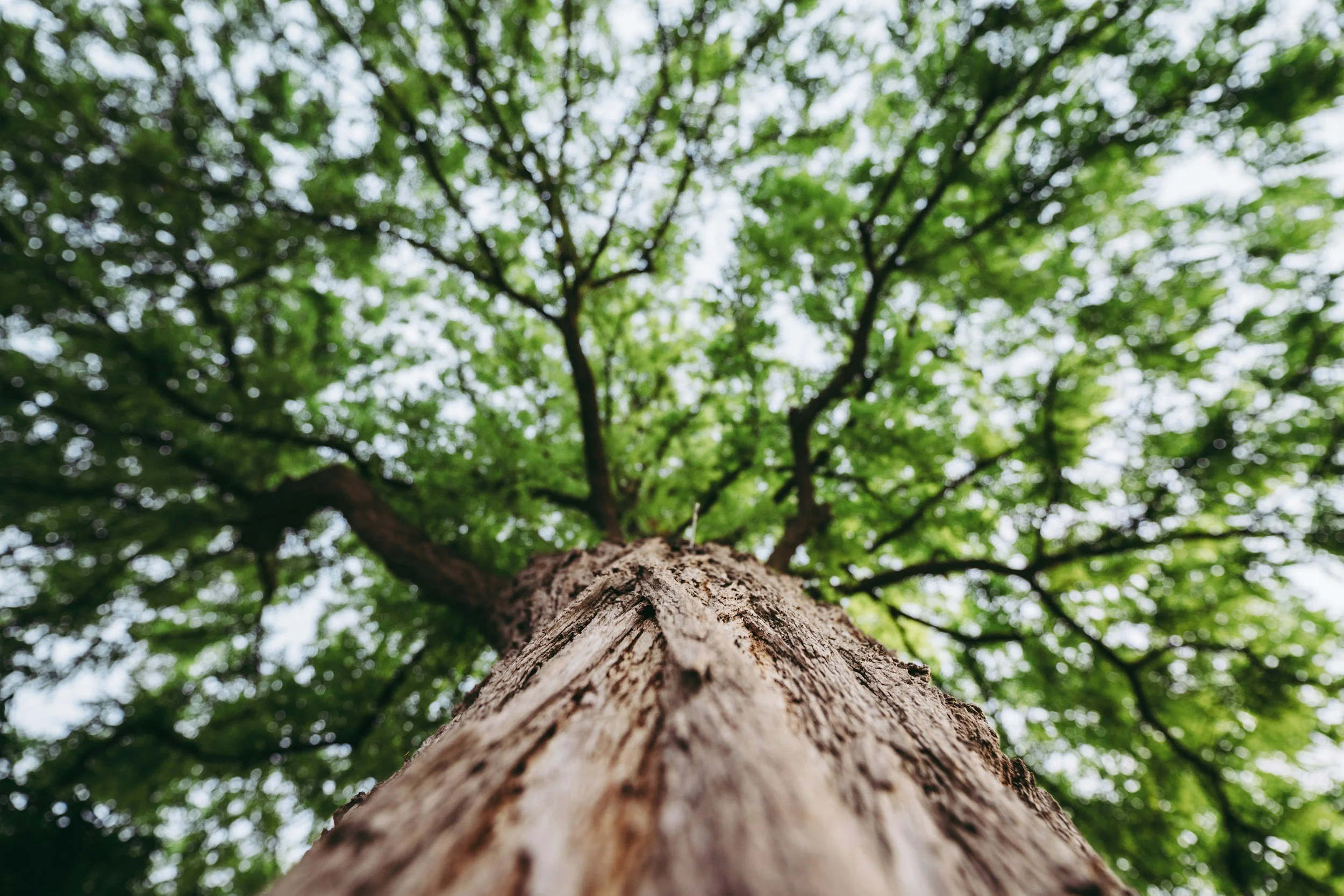
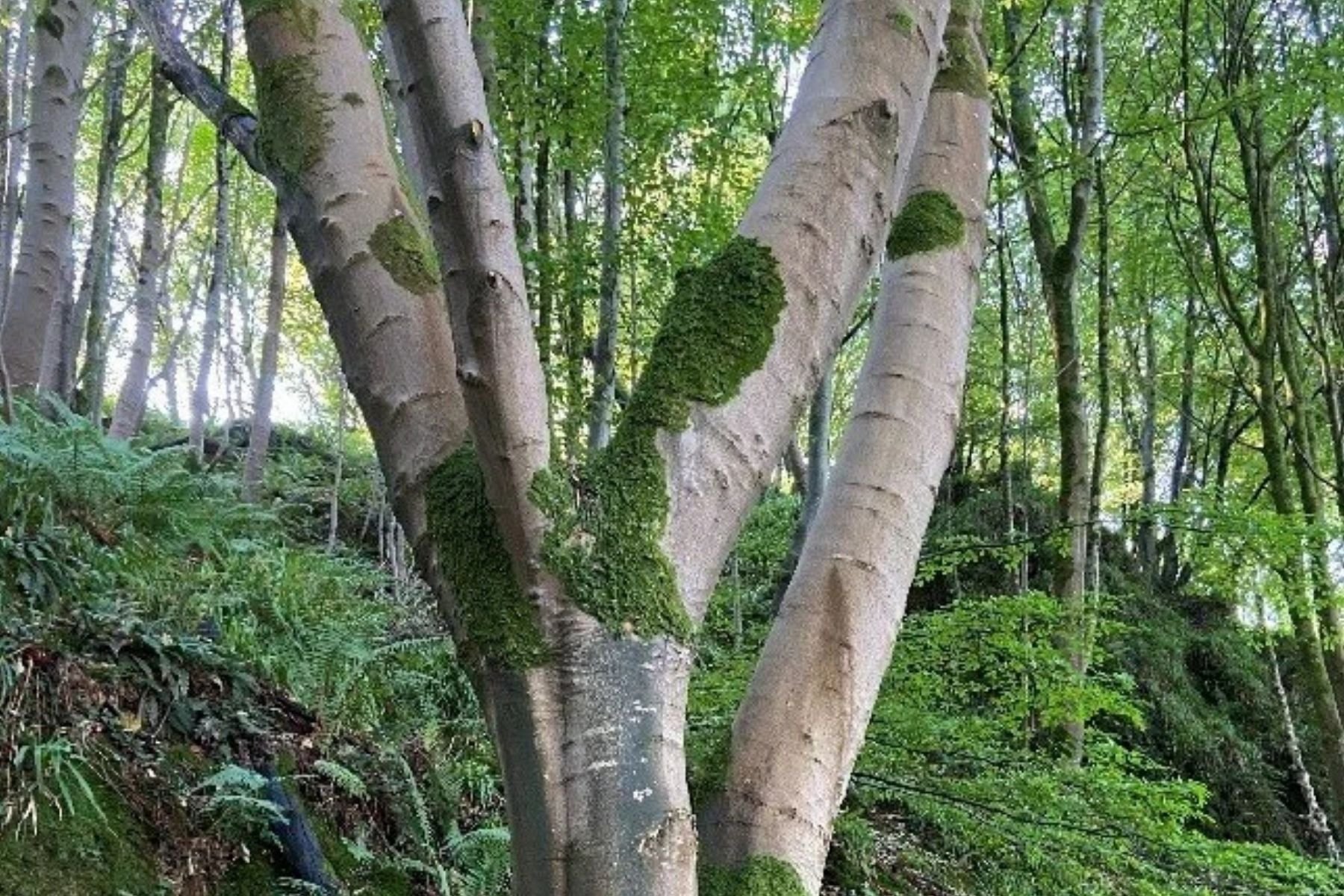
Rootedness and the feeling of being uprooted have played on my mind this summer. Moving house, as everyone warns you, is an unsettling experience. The garden we have acquired with the new house is a gravel garden interspersed with paving stones and terracotta tiles. My first inclination was to take it all up and replace it with soil. However the day we completed on the sale in early spring I opened the back door and came face to face with snakehead fritillaries gently swaying in the breeze, their roots firmly embedded in the gravel. Since then, many other flowers, weeds and otherwise, have appeared. I am as astonished at their robust ability to thrive in very shallow earth beneath the gravel as I am in vineyards where vine roots can extend as far as thirty or forty feet beneath the surface of steep hillsides in search of water and minerals – the tougher the growing conditions it seems, the more tenacious the roots.
Reading
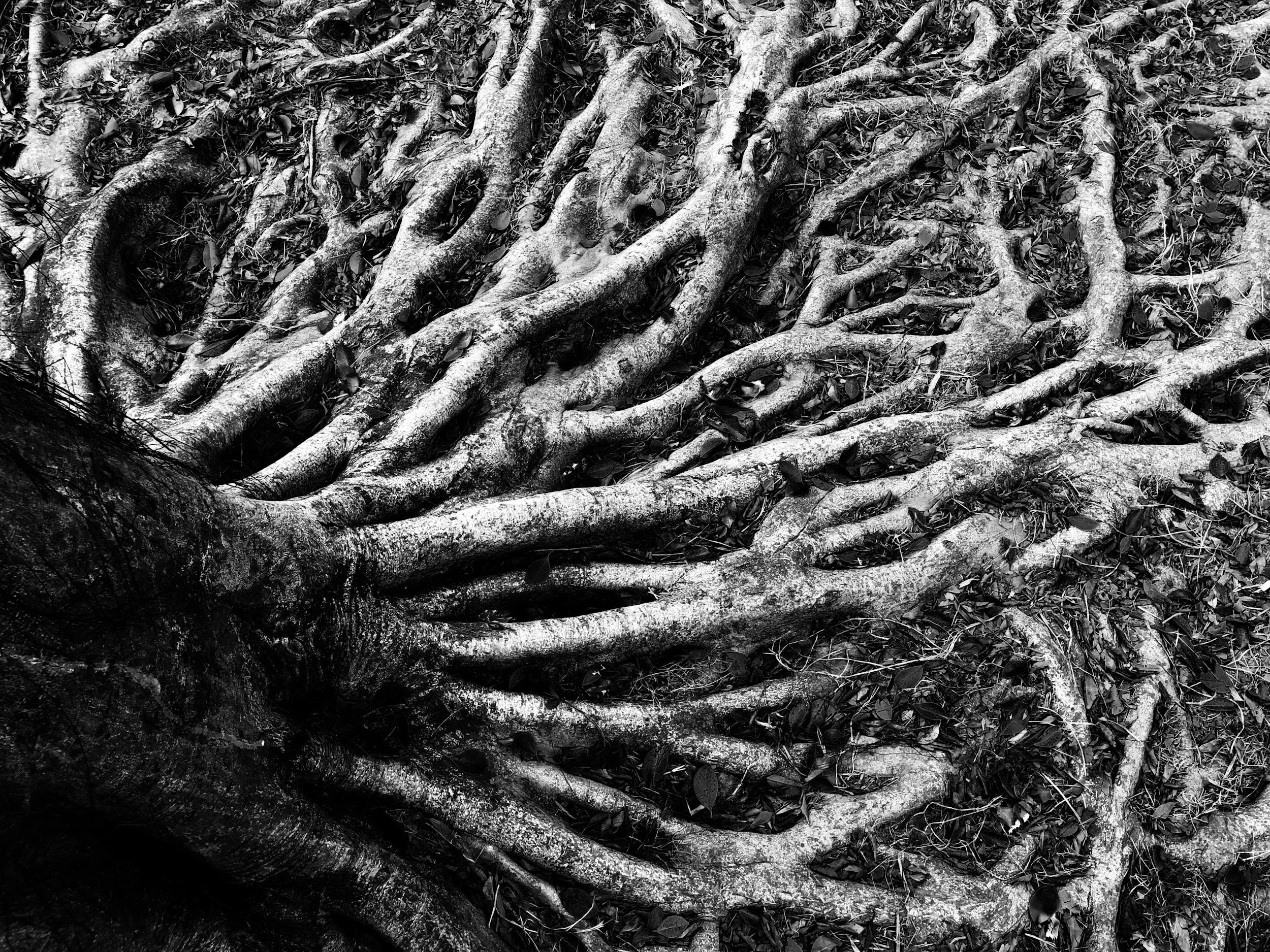
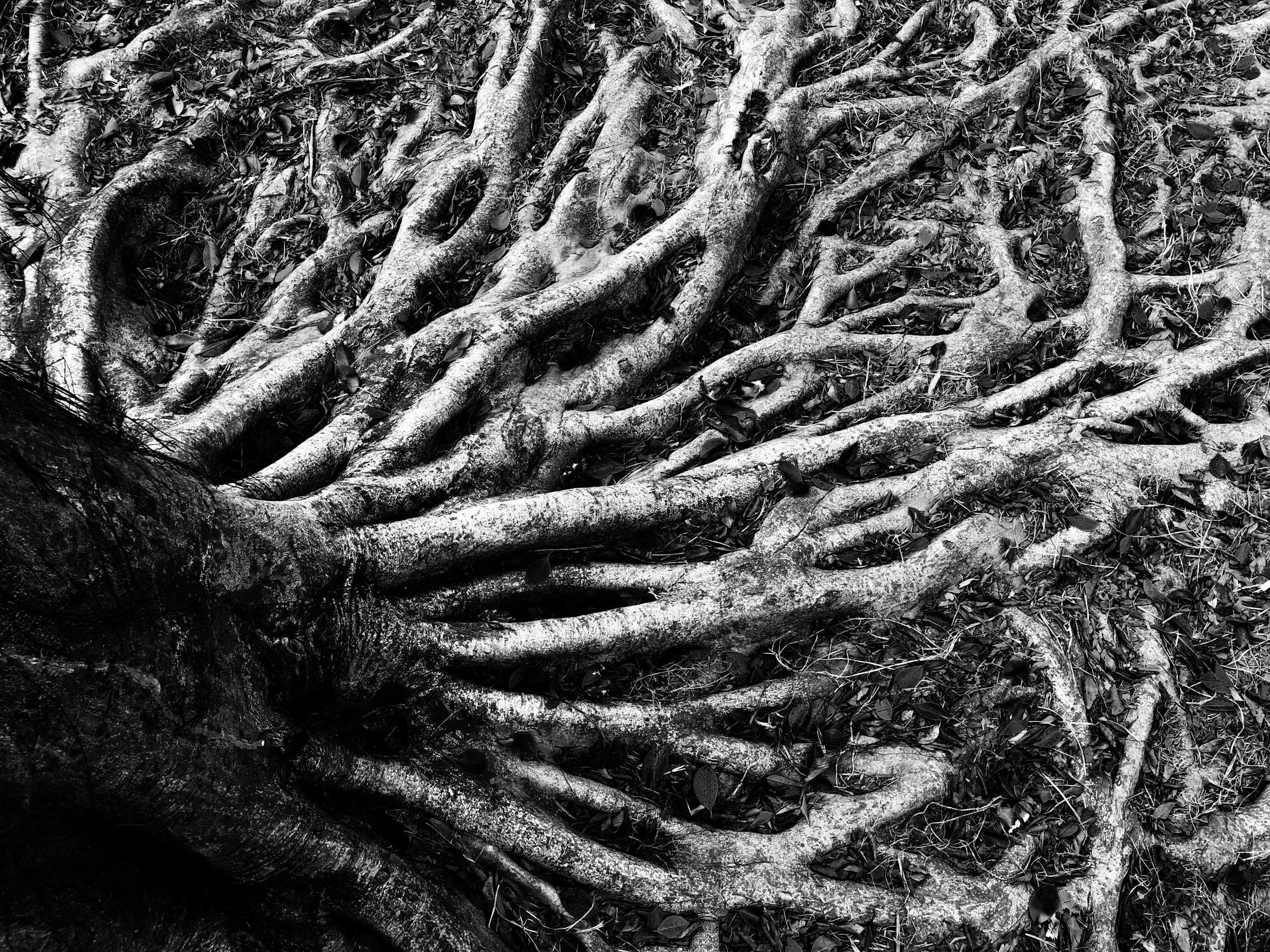
We are discovering more about the life of roots both above ground and underground, the distance they can travel, their connectedness, their sharing of nutrients. During the season of Epiphany, Rev. Ivan Khovacs spoke of Van Gogh’s extraordinary paintings of roots he had just seen, describing their contorting and crawling over rocks to find other roots to hold onto, connecting things up, nourishing the growth above them but also weaving together a community.
Individual Contemplative Time (15 minutes)
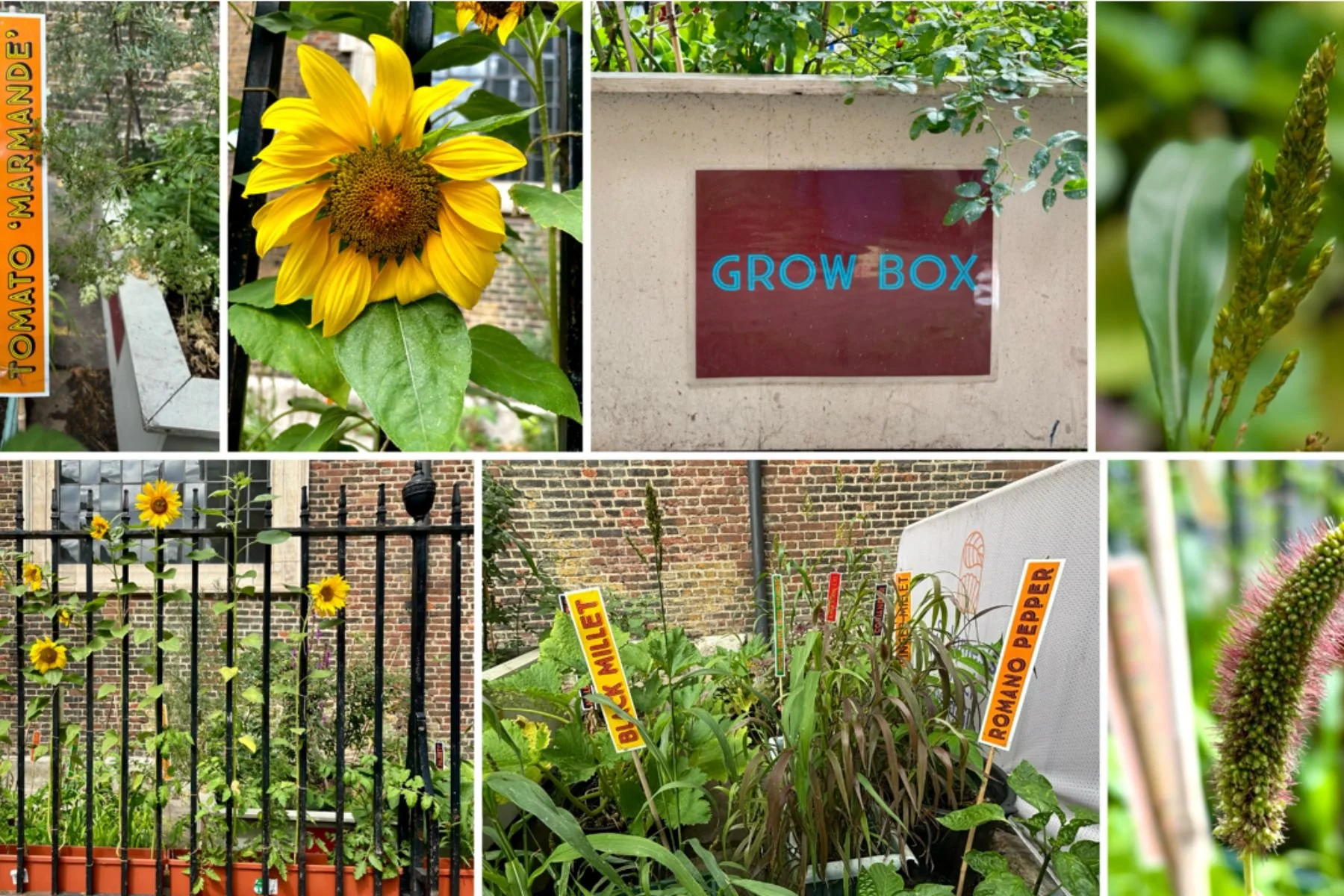
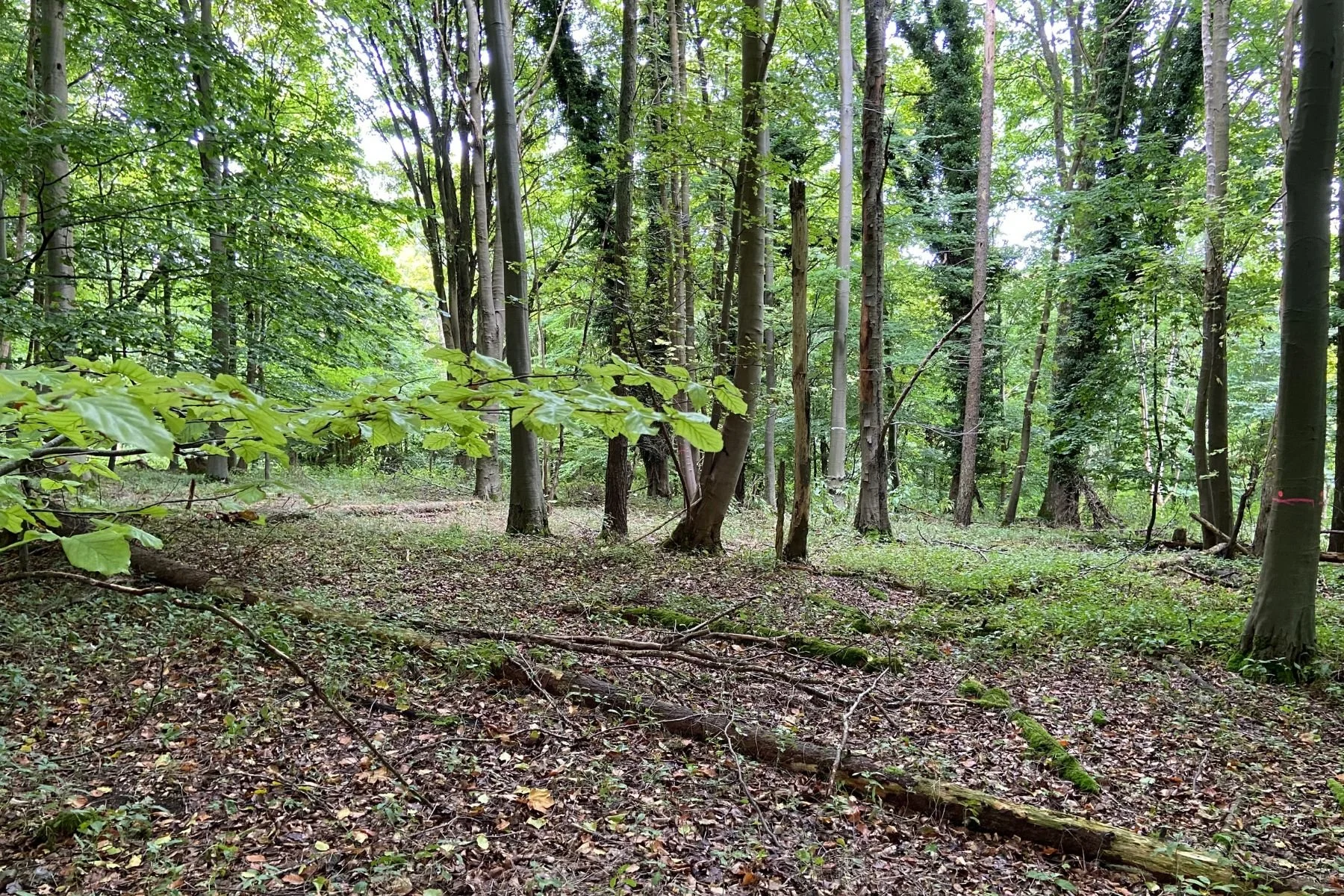
We will take 15 minutes now to look at roots in the Garden or in your own space at home. Note how they differ, how they connect if that is visible. Imagine what is happening beneath the soil now that we know more about their interconnectedness. Some may be tap roots, others fleshy roots. There may even be some that have been grafted onto.
Regathering
If you would like to, please share any particular response you have had.
Reading
Roots, especially those of ancient vines and olive trees may have new shoots (scions) grafted onto them to draw from their sources of water and nourishment deep beneath the earth’s surface, allowing the new shoots to bear good fruit sooner than if they had been planted directly into the ground. This practise predictably serves as metaphor for many human conditions, memorably used by St Paul in his letters to the Romans.
The metaphor illustrates that Gentiles are not replacing the Jewish people but are being grafted into the existing root system, becoming part of the same olive tree and sharing in its blessings. Romans 11:17 highlights the unity of believers in Christ, both Jew and Gentile, and emphasizes that salvation is available to all through faith in Jesus, regardless of their background.
Julia’s Observation
Observing roots in my garden has sustained me at an unsettling a time, I am reminded that ‘God’s not burying you, He’s planting you!’
Prayer
I bow my knees before the Father, from whom every family in heaven and on earth takes its name. I pray that, according to the riches of his glory, he may grant that you may be strengthened in your inner being with power through his Spirit and that Christ may dwell in your hearts through faith, as you are being rooted and grounded in love. I pray that you may have the power to comprehend, with all the saints, what is the breadth and length and height and depth and to know the love of Christ that surpasses knowledge, so that you may be filled with all the fullness of God. Ephesians 3: 14-19
Amen
Upcoming Eco-Contemplative Liturgies
View More Eco-Contemplative Liturgies