Grasses
Sunday 23rd June 2024, led by Penelope Turton
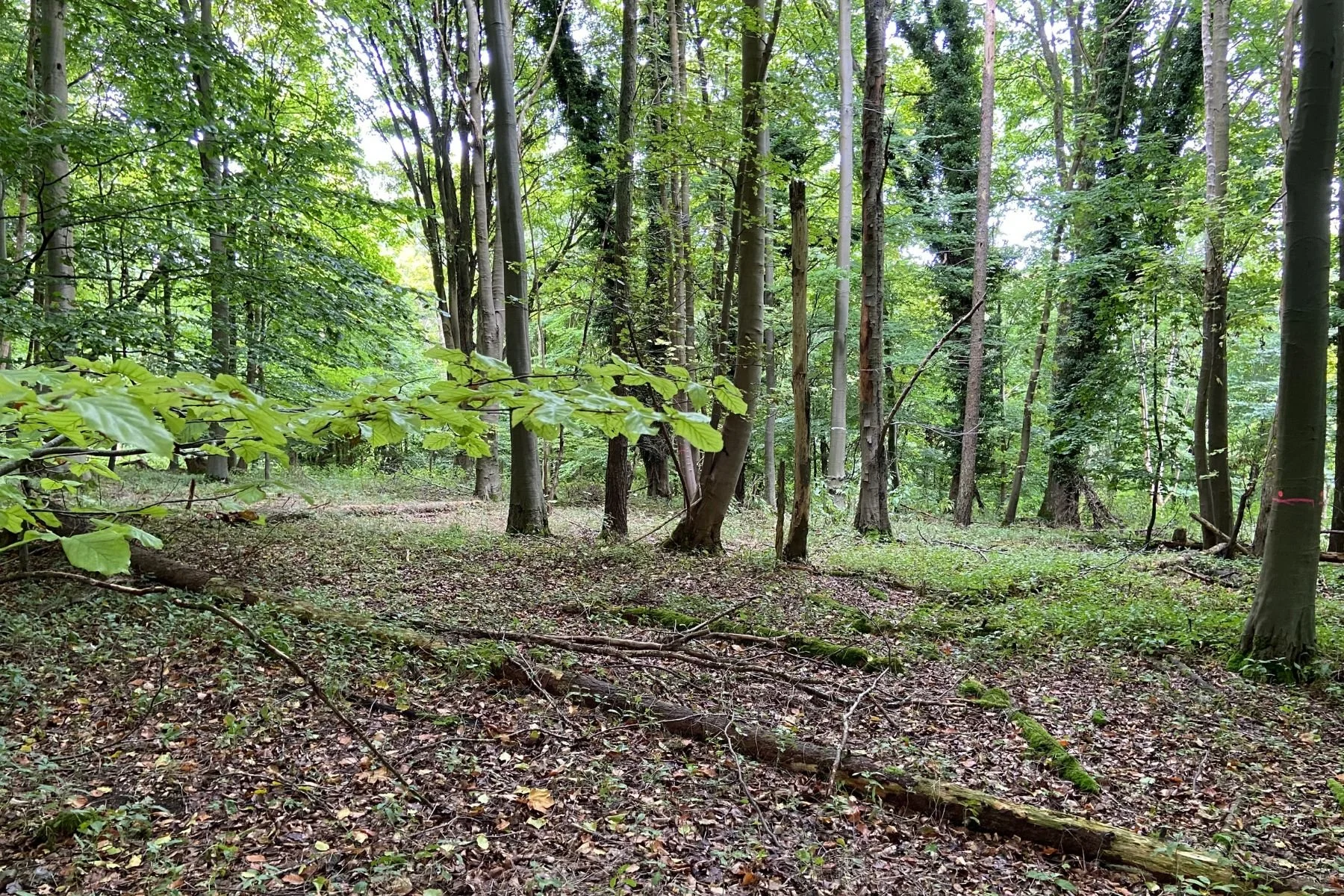
Steppe semi-arid flora in South Russia in Don River Basin, mostly Poaceae grasses, Bromus, Festuca and Stipa, feather grasses, needle grasses, spear grasses and more. Rostov-on-Don, Russia.
Gathering
We take a few moments to settle and still our bodies and our restless thoughts, centring ourselves in this moment and in our chosen space. Sensing the ground beneath our feet, remembering that, like everything that lives, we are part of - and never apart from - the same Source that is God. We are never alone; our souls and bodies are at home in, and intimately connected with the rhythm and matter of the universe.
We will take short silent spaces between each reading
Reading
“For all flesh is as grass and all the glory thereof as the flower of grass.” (1 Peter 1:24). Everything visible, without exception, is the outpouring of God. What else could it really be? The incarnation is not only “God becoming Jesus.” In John’s Gospel, God’s presence is first described in the general word “flesh” (John 1:14). This is the ubiquitous Christ that we continue to encounter in a blade of grass, in other human beings, in a spider web or a starling – and recognise as holy.
Richard Rohr
Prayer
Oh God, Help us to see your glory in everything you have made. May we perceive how wide and long and high and deep is your love for the whole of Creation so that we may love it too. Amen
Readings
A child said What is the grass? fetching it to me with full hands;
How could I answer the child? I do not know what it is any more than he.
Walt Whitman
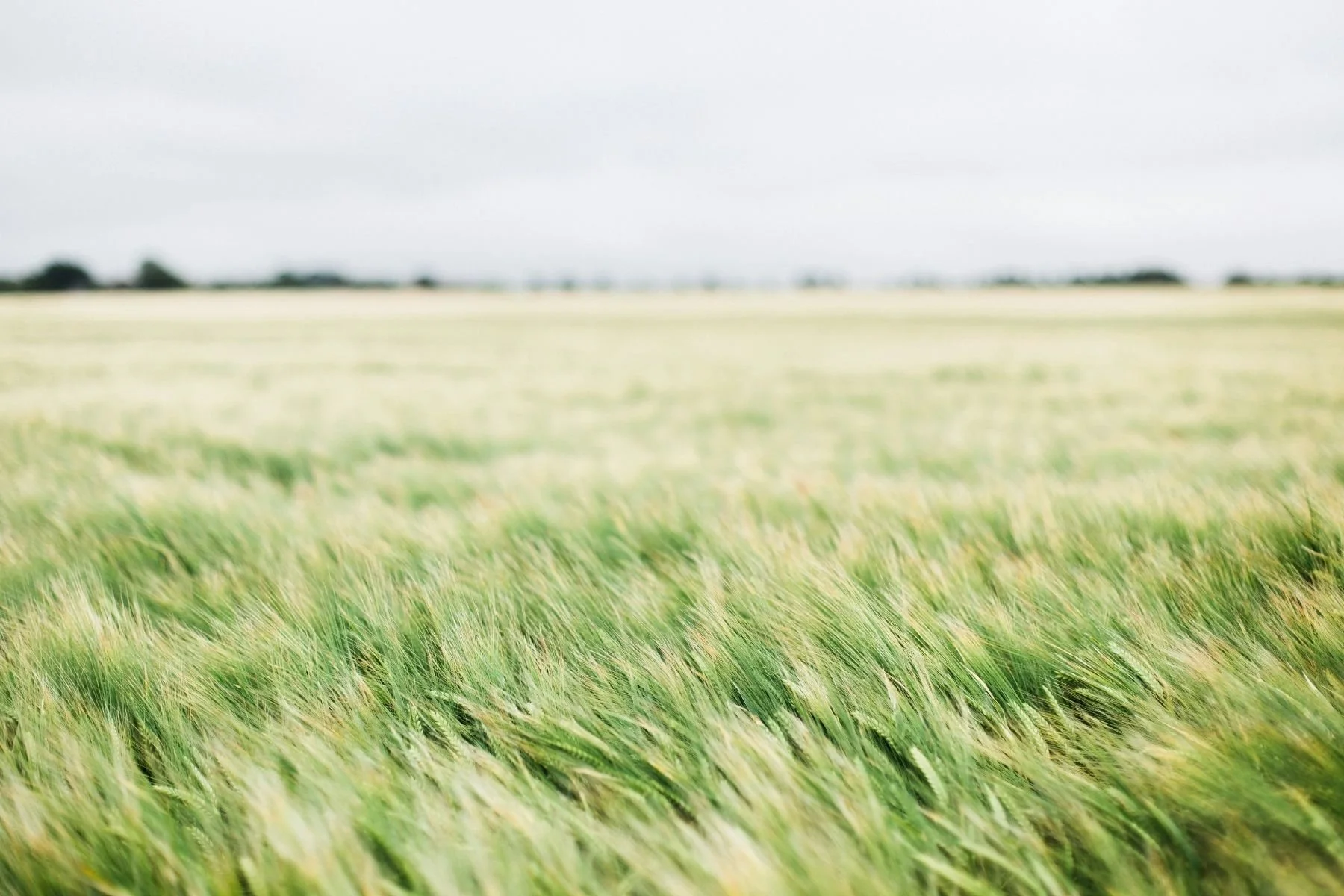
With around 780 genera and around 12,000 species, grasses form a large and nearly ubiquitous family of flowering plants. Grasslands such as savannah and prairie are estimated to constitute over 40% of the land area of the Earth, excluding Greenland and Antarctica. Grasses are also a dominant part of the vegetation in many other habitats, including forests and tundra, salt-marsh, reed-swamp and steppes. They occur as a part of the vegetation in almost every terrestrial habitat.Of all crops grown, 70% are grasses. They are the most economically important plant family, providing staple foods from domesticated cereal crops such as maize, wheat, barley, rice and millet. They provide,through direct human consumption, just over half of all dietary energy. Some grasses are used as building materials (bamboo, thatch and straw); others can provide a source of biofuel. Recent findings from a study of grass microfossils extracted from the teeth of a dinosaur from northern China, have been dated to the Early Cretaceous 113–100 million years ago.With their ubiquitous presence and resilience, grasses often symbolize the foundational truths that ground our existence. But grass also holds spiritual significance in many religious traditions, representing growth,death, dormancy, rebirth, regeneration, fertility, abundance, and humility. In the Christian tradition grass often symbolizes the fleeting nature of human life and God’s provision and care for creation. In both Buddhism and Hinduism grass is chosen as the seat of meditation.
Contemplative Time
We will take 15 minutes to contemplate any living thing that draws our attention in the Garden or in our own space.
Regathering
If you would like to, please share in a few words any particular response you have had.
Reading
Will the hungry ox stand in the field and not eat
of the sweet grass?
Will the owl bite off its own wings?
Will the lark forget to lift its body in the air or
forget to sing?
Will the rivers run upstream?
Behold, I say—behold
the reliability and the finery and the teachings
of this gritty earth gift
Look, and look again.
This world is not just a little thrill for the eyes.
It's more than bones.
It's more than the delicate wrist with its personal pulse.
It's more than the beating of the single heart.
It's praising.
It's giving until the giving feels like receiving.
You have a life—just imagine that!
You have this day, and maybe another, and maybe
still another.
Mary Oliver ‘To begin with, the sweet grass’
Prayer
O God, the Source, Sustainer, Home and eternal End of all that is and lives and has its being, we see the abundant gifts of your Creation, nourishing, nurturing and shielding us, delighting, inspiring and comforting us, from our cradle to our deathbed. May we choose gratitude until we are grateful and praise until we ourselves are an act of praise. May your blessing be upon us and all your Creation, now and always. Amen.
Upcoming Eco-Contemplative Liturgies
View More Eco-Contemplative Liturgies